CopyTemplates

Wordsmithing

Antithesis

Put two opposite words or ideas in the same line.
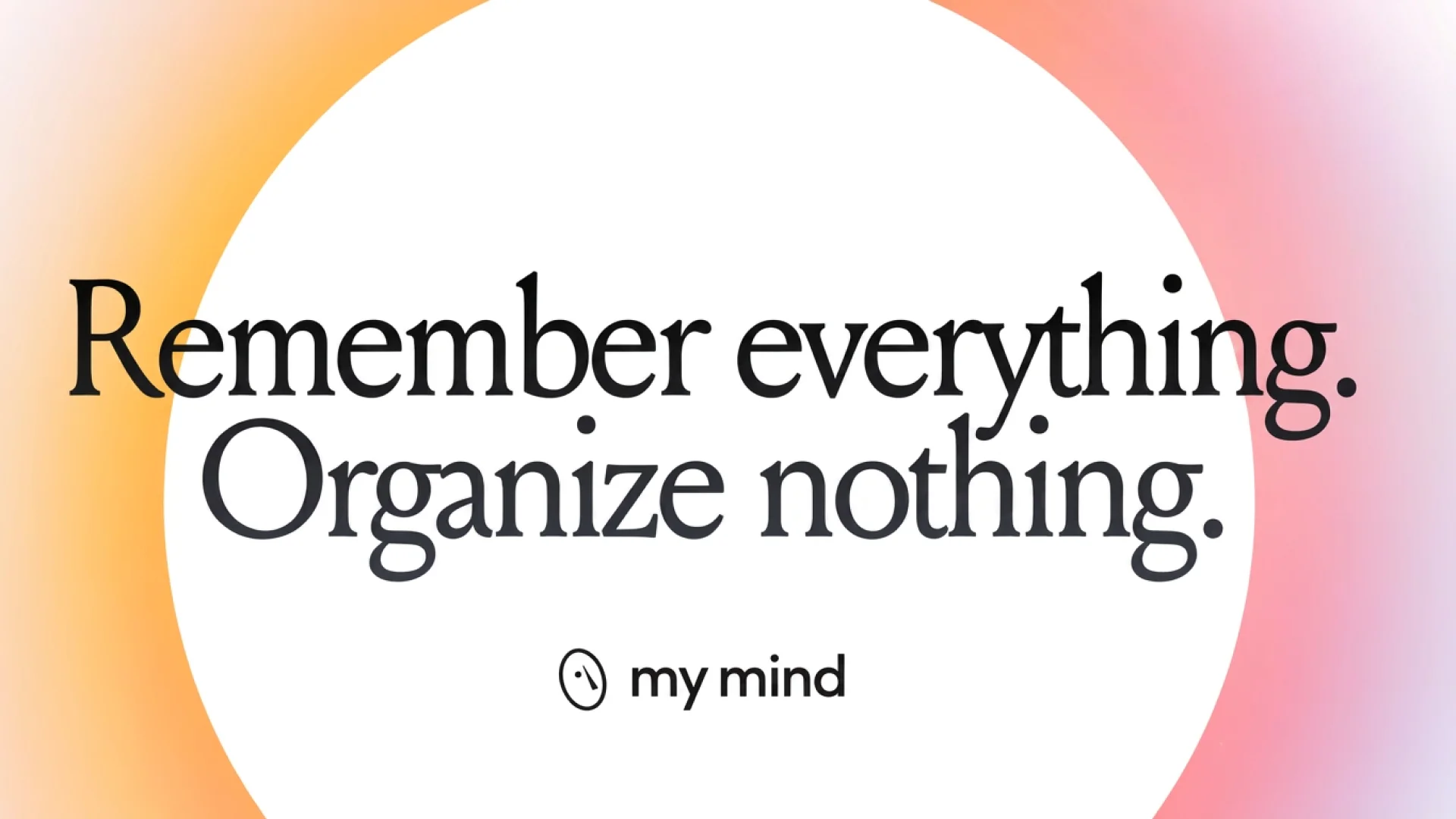
Antithesis — example 1 of 14
1 / 14

Rearrange

Change the order of words or letters in a familiar phrase.

Rearrange — example 1 of 7
1 / 7

Reverse World

Swap words and expectations around to surprise readers and make a point.

Reverse World — example 1 of 10
1 / 10

Chiasmus

Reverse the order of words in two parallel phrases.

Chiasmus — example 1 of 6
1 / 6

Oxymoron

Combine contradictory terms.

Oxymoron — example 1 of 4
1 / 4

Parallelism

Structure phrases or sentences to mirror each other.

Parallelism — example 1 of 10
1 / 10

Allusion

Reference a well-known person, place, or thing.

Allusion — example 1 of 6
1 / 6

Asyndeton

Skip conjunctions (like "and," or "but") in a list.

Asyndeton — example 1 of 8
1 / 8

Epistrophe

End sentences or phrases with the same word.

Epistrophe — example 1 of 7
1 / 7

Pleonasm

Use more words than necessary to explain the benefit.

Pleonasm — example 1 of 7
1 / 7

Anaphora

Start different sentences with the same word.

Anaphora — example 1 of 6
1 / 6

Alliteration

Start two or more words with the same sound.
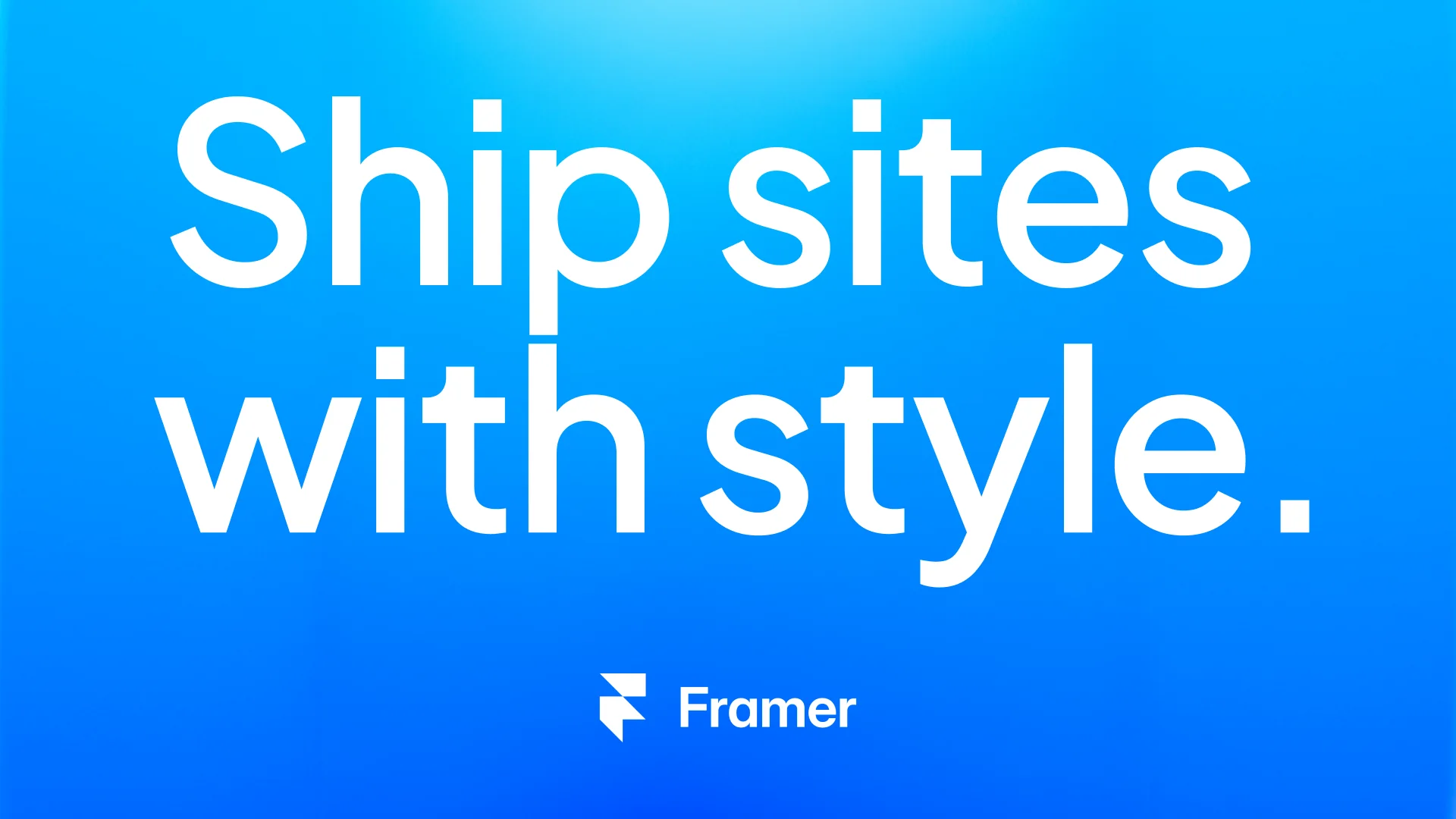
Alliteration — example 1 of 13
1 / 13

Rhyme

Use words that have the same or similar ending sounds.

Rhyme — example 1 of 6
1 / 6

Dialogue

Use a sentence the customer might say or hear in a real conversation.

Dialogue — example 1 of 10
1 / 10

Onomatopoeia

Find words that sound like the product or its benefit.

Onomatopoeia — example 1 of 8
1 / 8

Analogy

Compare the product or benefit to something else using "like" or "as."

Analogy — example 1 of 8
1 / 8

Metaphor

Describe the product by comparing it to something unrelated.
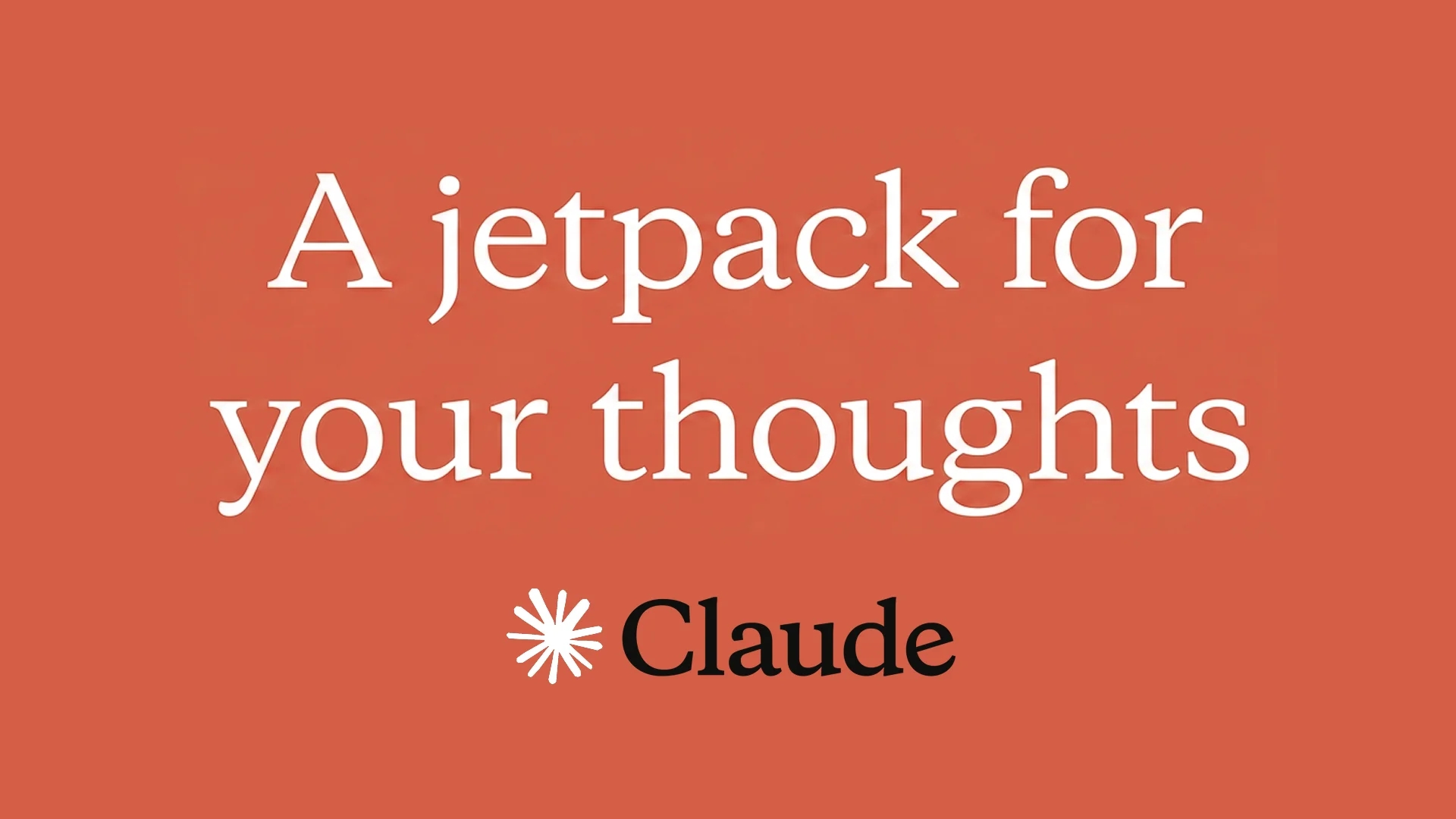
Metaphor — example 1 of 9
1 / 9

Point of View

Personification

Give human traits to your product or enemy.
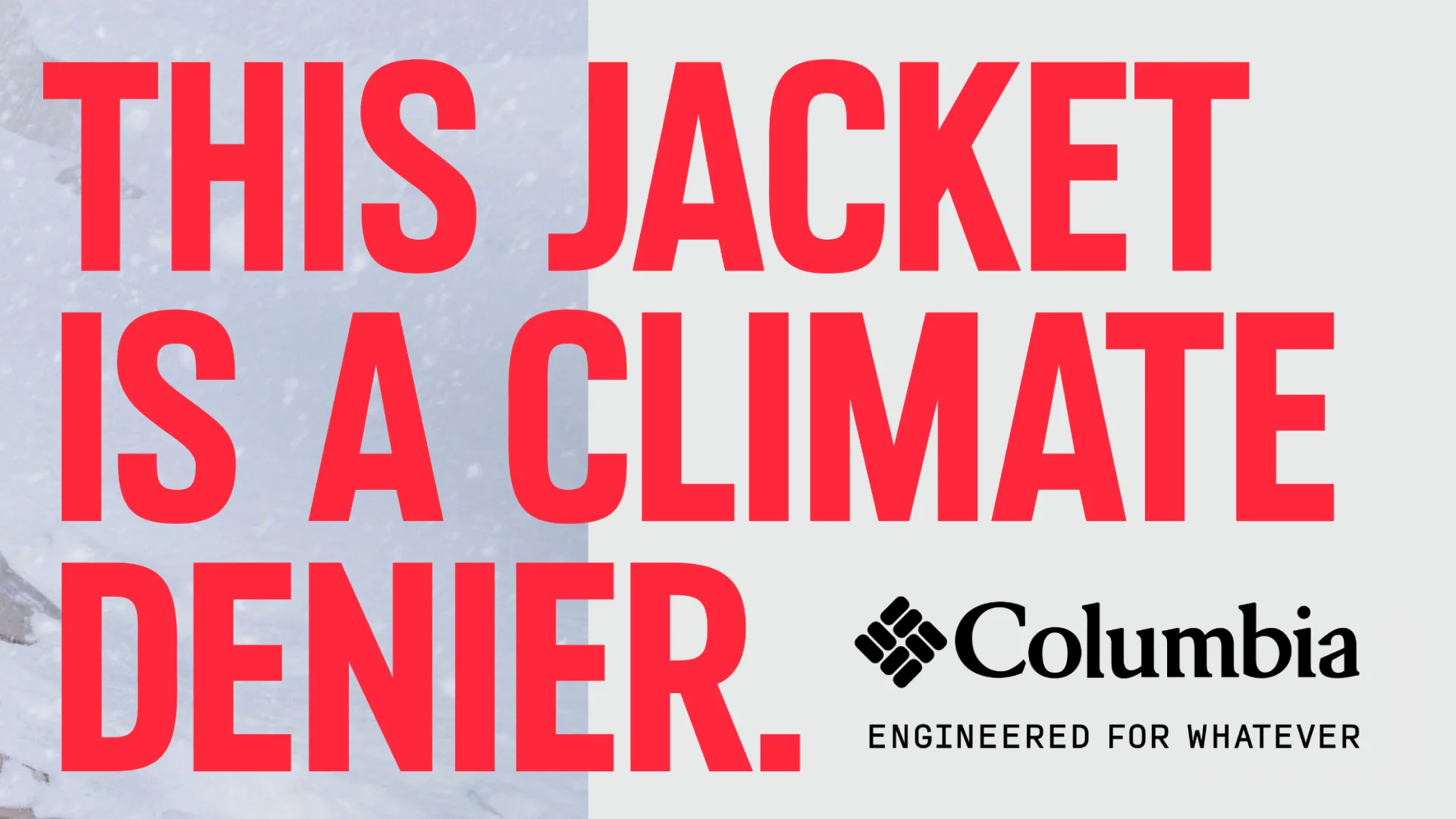
Personification — example 1 of 11
1 / 11

Observations

Share an insight about your product or enemy.

Observations — example 1 of 7
1 / 7

A Different Breed

Make your customers feel smart or special.

A Different Breed — example 1 of 7
1 / 7

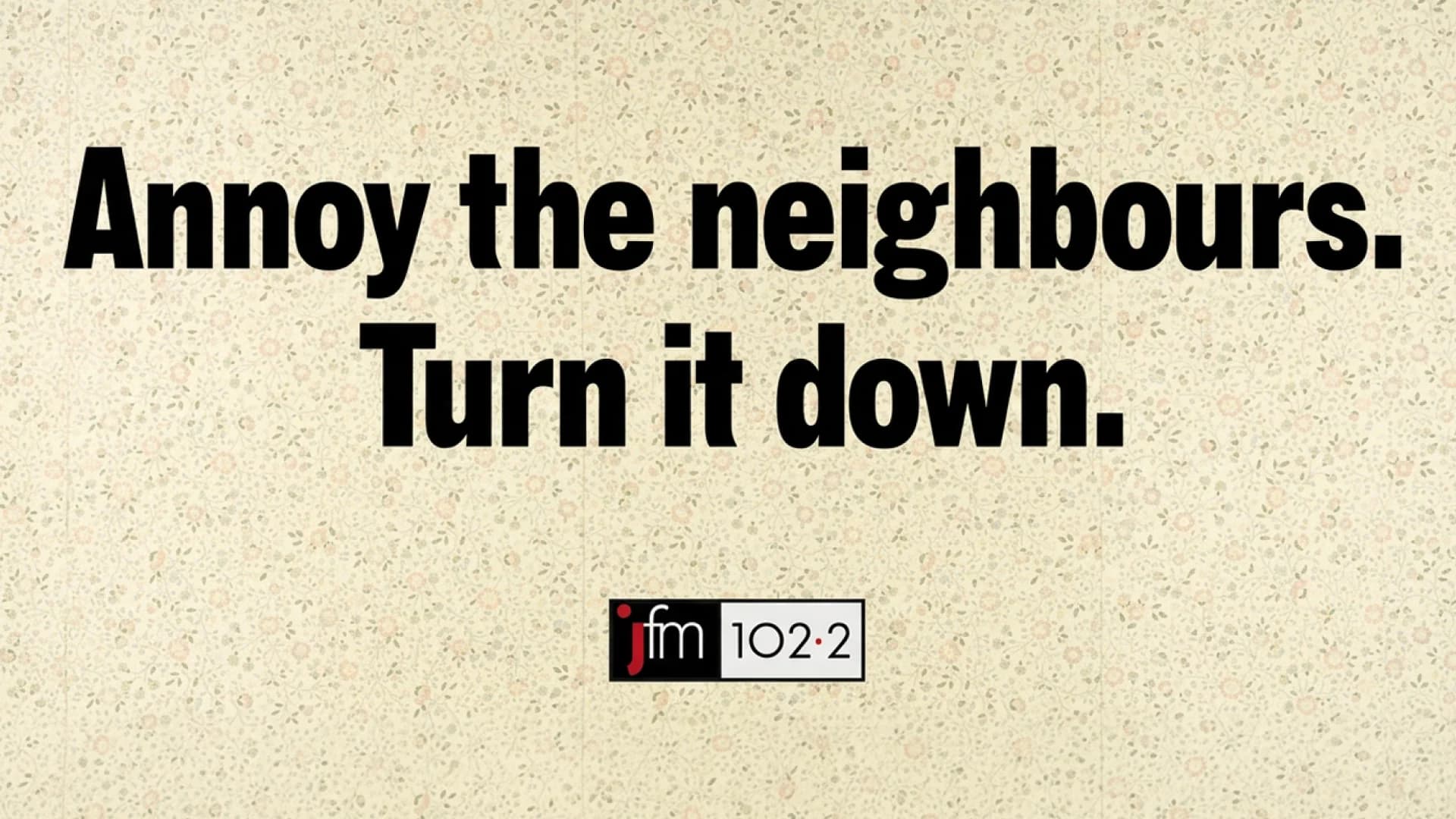
Enemy

Take a stand against something or someone that bothers your audience.

Enemy — example 1 of 11
1 / 11

Phrase Play

Pun

Pick a familiar phrase and replace one word with a sound-alike.

Pun — example 1 of 41
1 / 41

Break It Up

Twist a word or phrase using spacing or punctuation.

Break It Up — example 1 of 4
1 / 4

Flipped Phrase

Replace one word in a common phrase with its opposite.

Flipped Phrase — example 1 of 14
1 / 14

Reveals

Start with a common phrase and end it in an unexpected way.
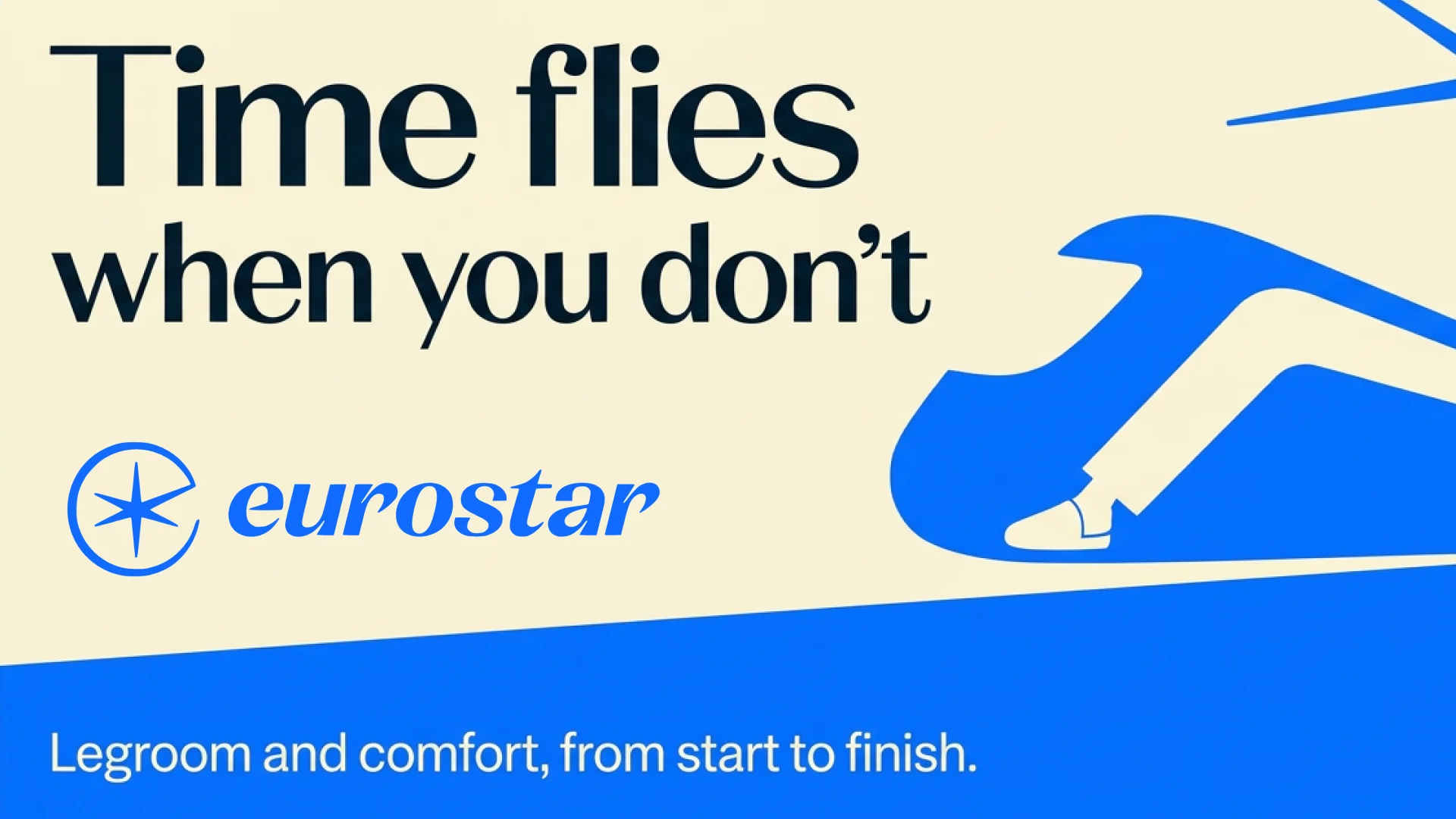
Reveals — example 1 of 24
1 / 24

Humor

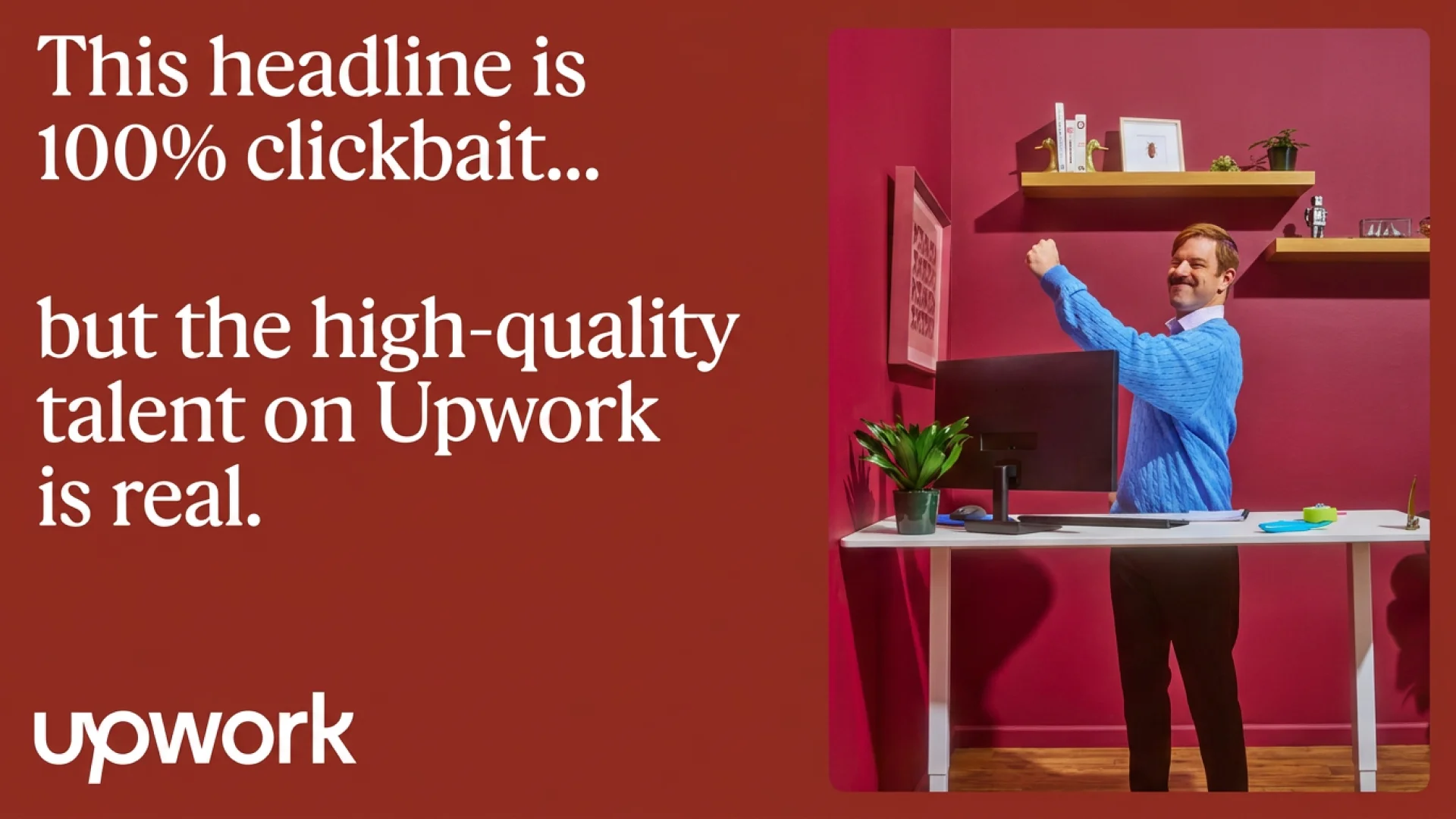
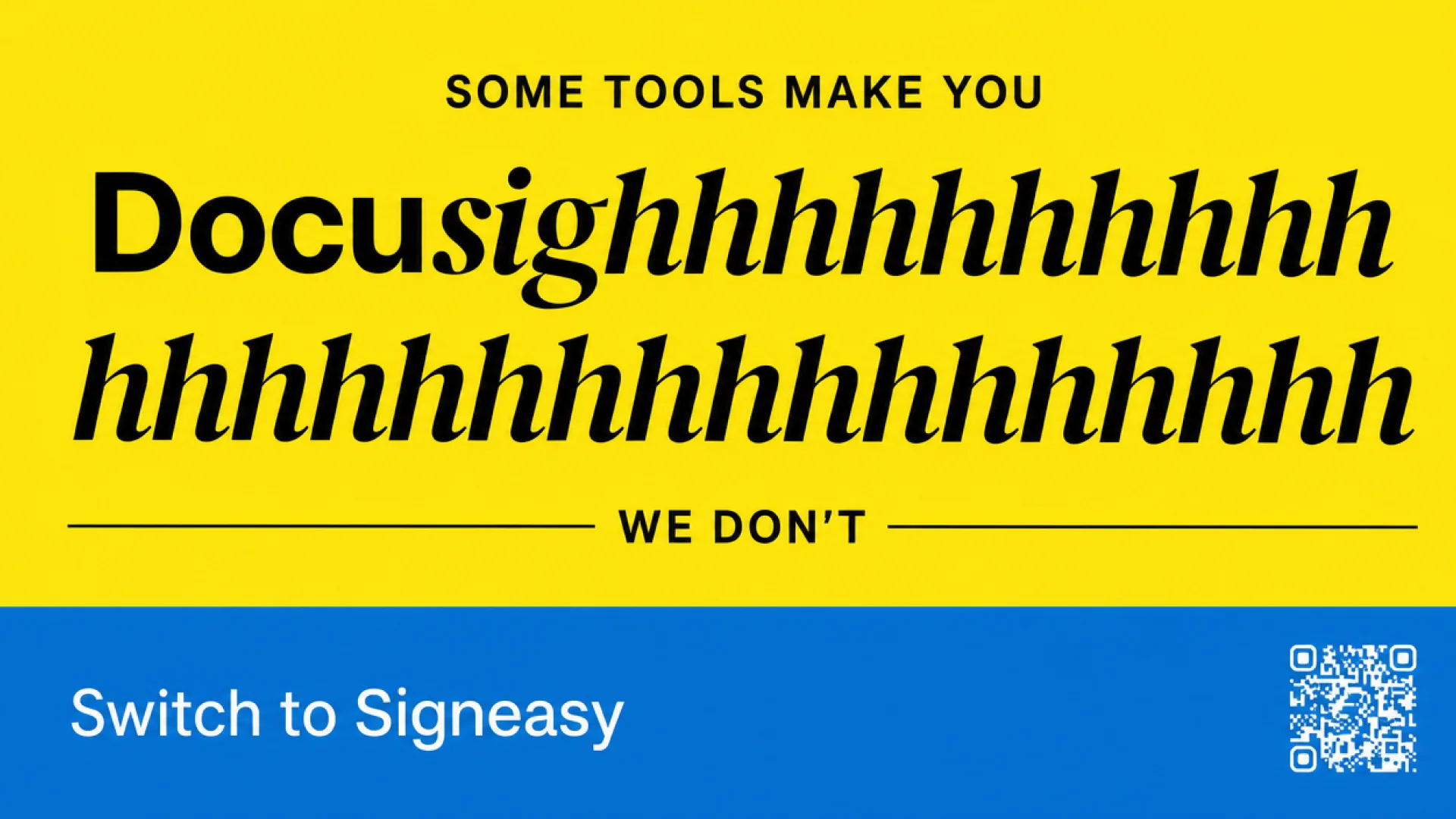
Self-Aware Ads

Admit it's an ad to disarm ad haters.
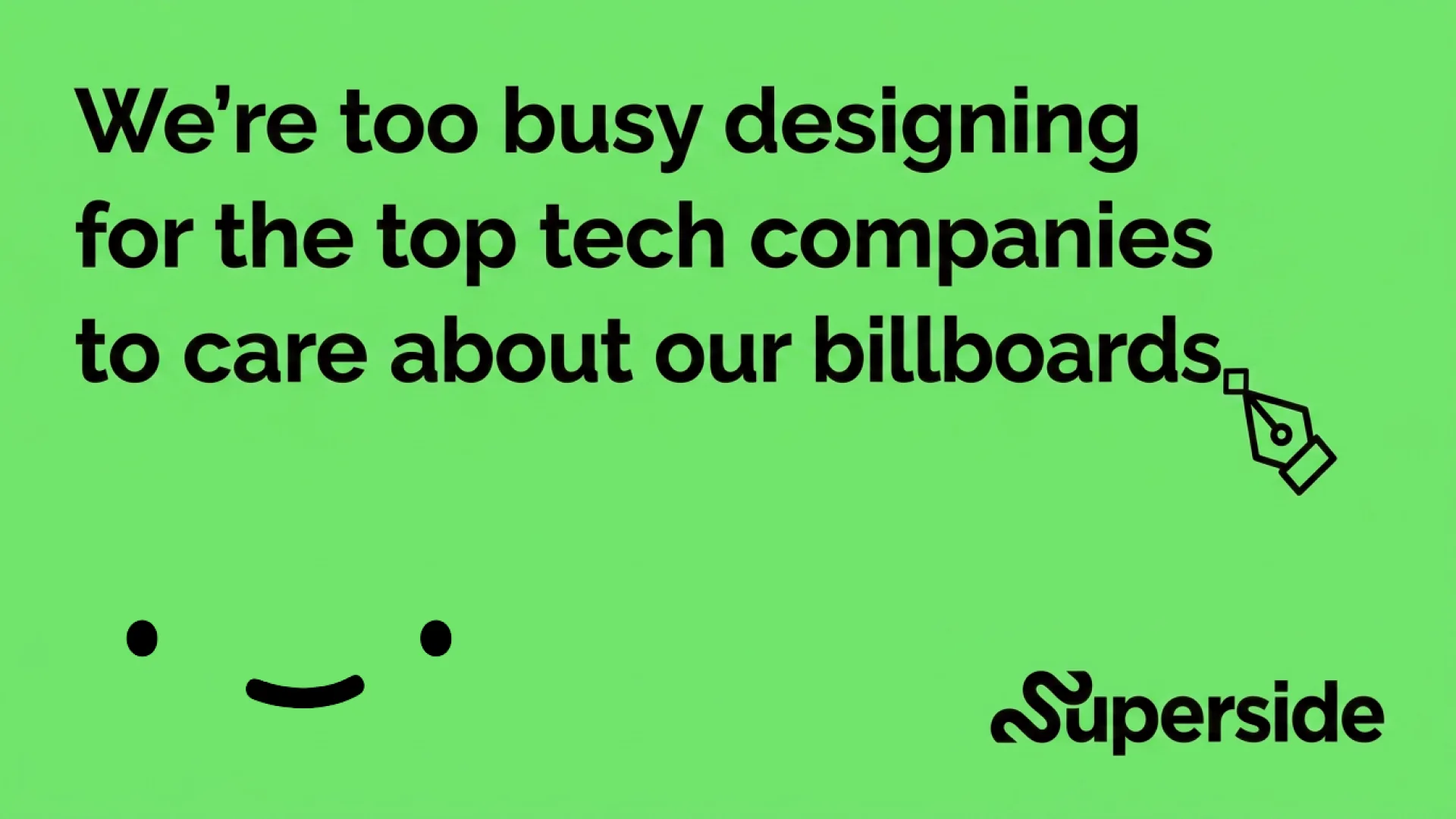
Self-Aware Ads — example 1 of 14
1 / 14

Self-Deprecation

Highlight flaws to make your brand more relatable.

Self-Deprecation — example 1 of 9
1 / 9

Understatement

Set the expectations low to give customers a laugh (and a pleasant surprise).

Understatement — example 1 of 11
1 / 11

Downsides

Show how using the product creates a new problem.

Downsides — example 1 of 5
1 / 5

Benefit of the Benefit

Show how using the product leads to another, unexpected benefit.

Benefit of the Benefit — example 1 of 6
1 / 6

Chuck Norris

Exaggerate the benefit until it becomes a funny scene.

Chuck Norris — example 1 of 11
1 / 11

Tricky Threes

Two things establish a pattern. The third one breaks it.
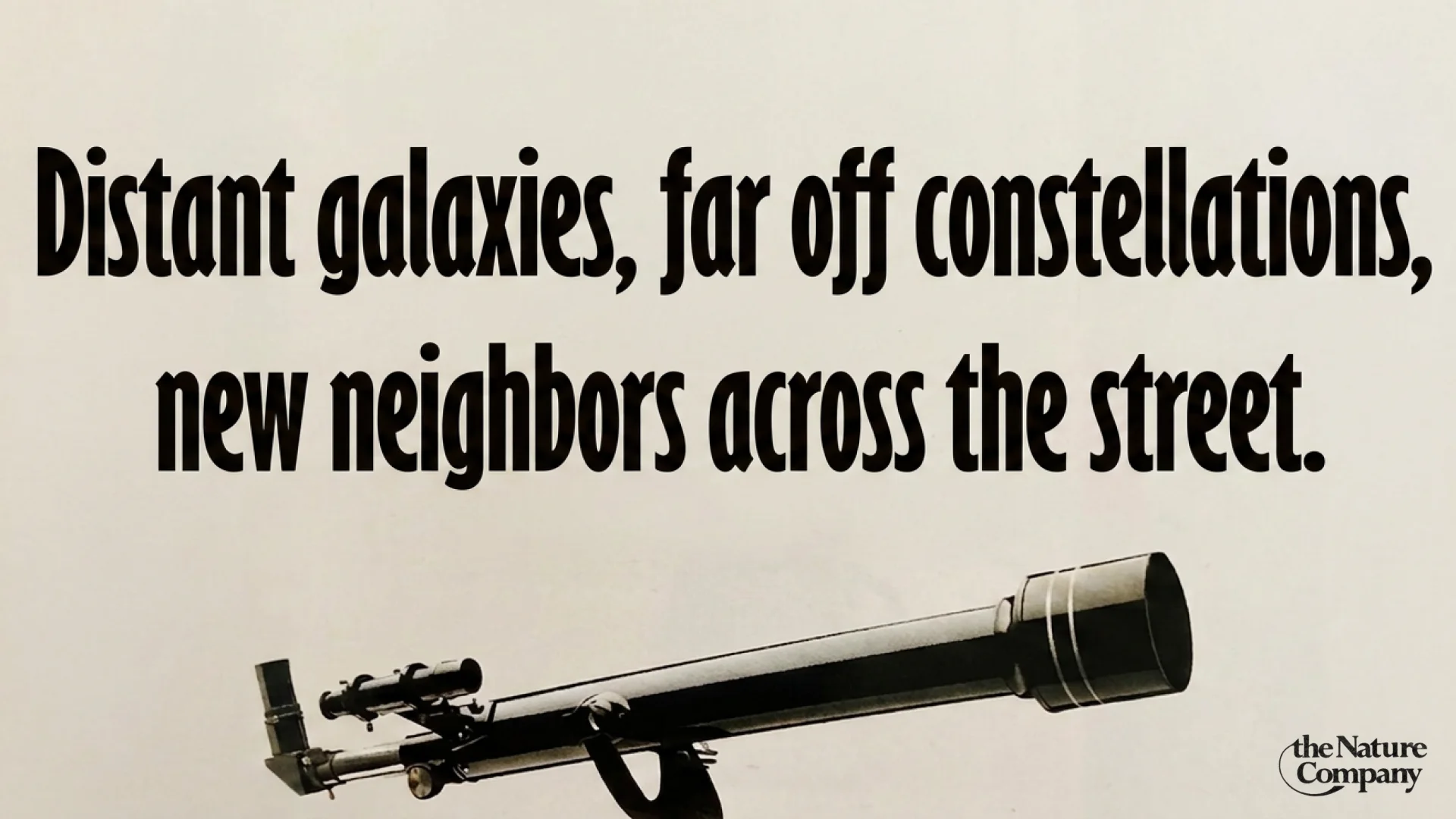
Tricky Threes — example 1 of 8
1 / 8

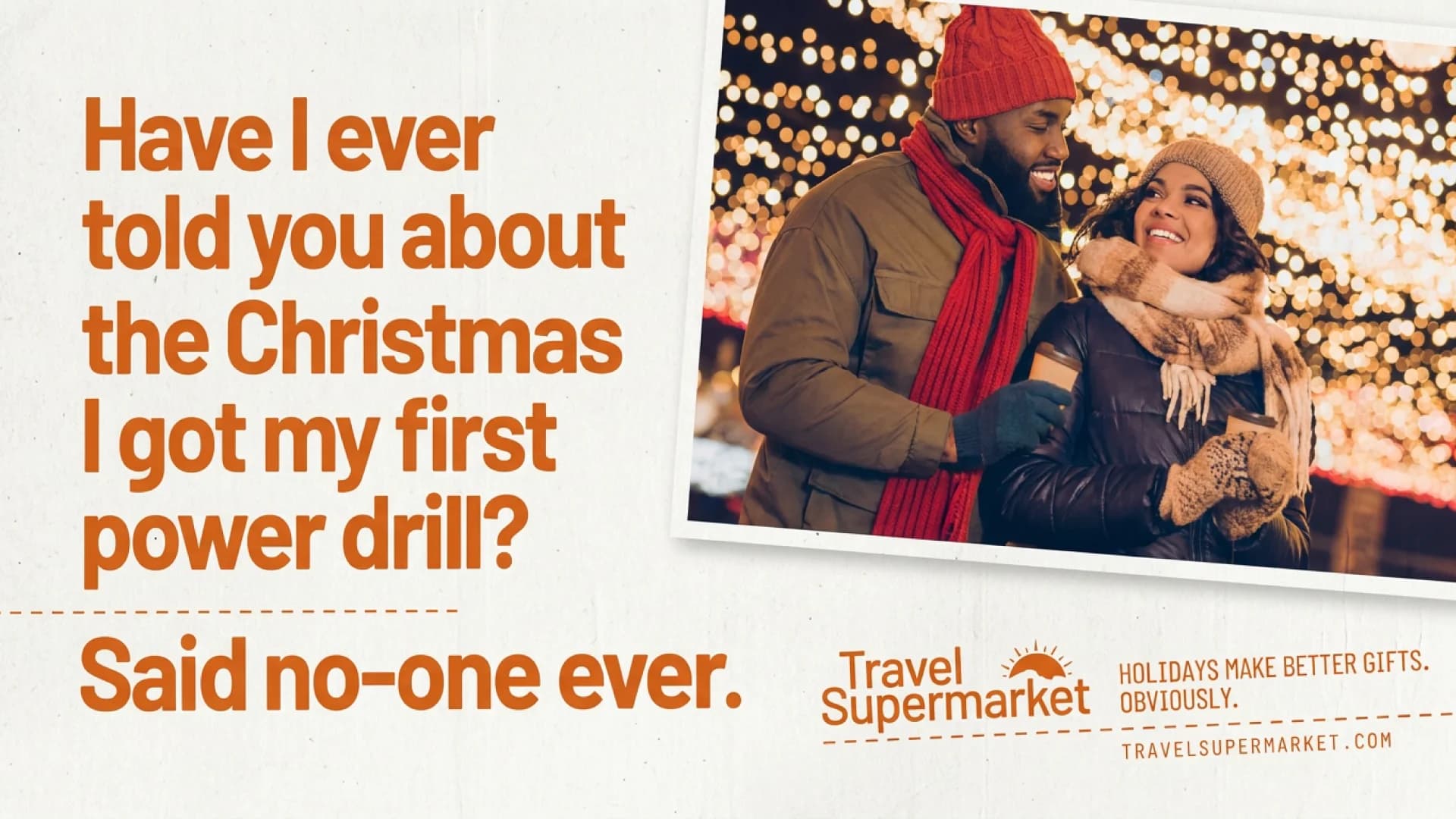
Said No One Ever

Write the pain point as dialogue, and then add "said no one ever."

Said No One Ever — example 1 of 4
1 / 4

Questions

Call the Bluff

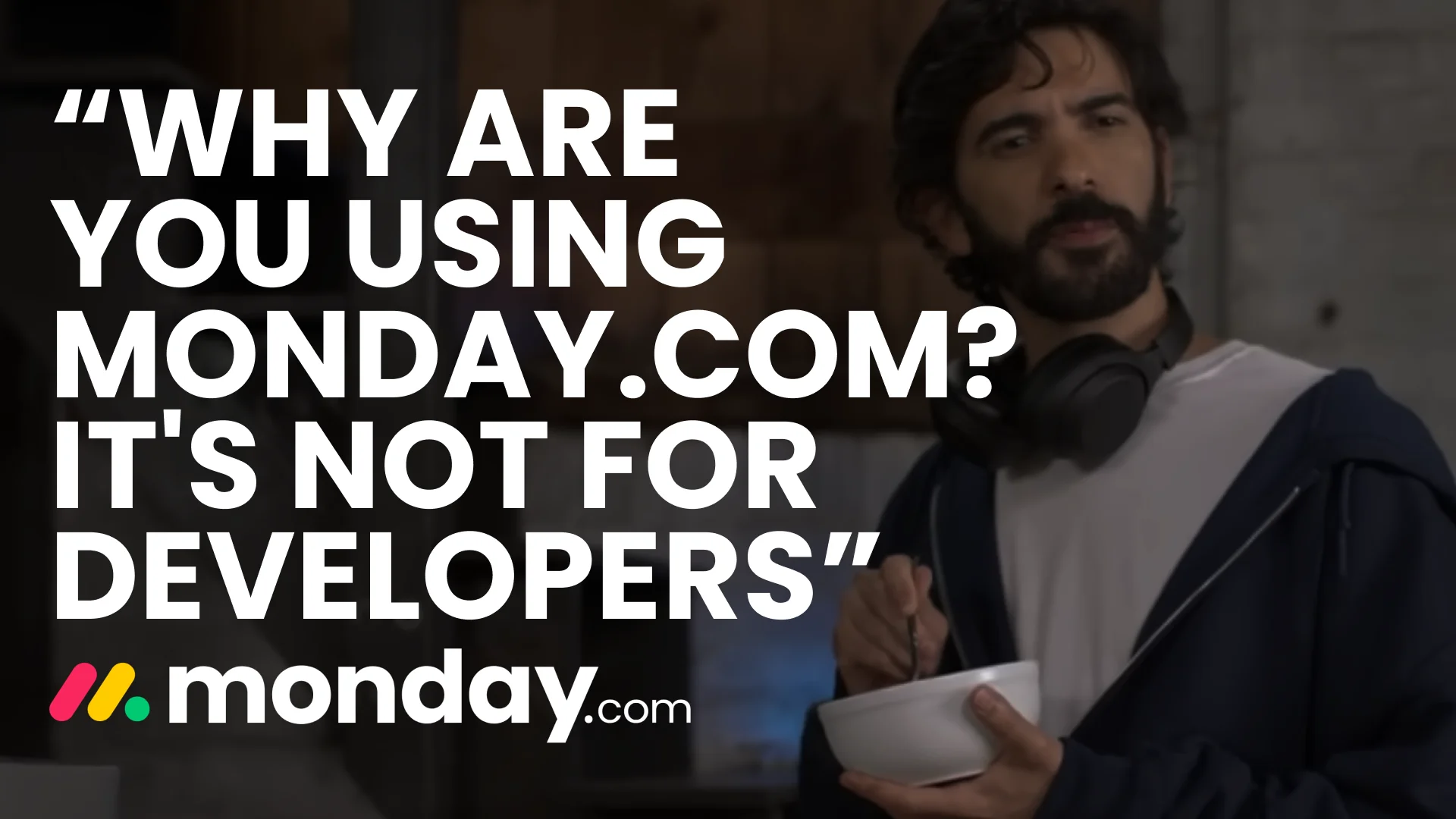
Ask the question your industry hopes nobody will.

Call the Bluff — example 1 of 5
1 / 5

Humblebrag

A question for the reader that's actually a flex.

Humblebrag — example 1 of 7
1 / 7

Objections

Use your prospect's own doubts as the headline, then answer them in the ad.

Objections — example 1 of 3
1 / 3

Concierge

Hand the reader the keys and ask what they'll do next.

Concierge — example 1 of 6
1 / 6

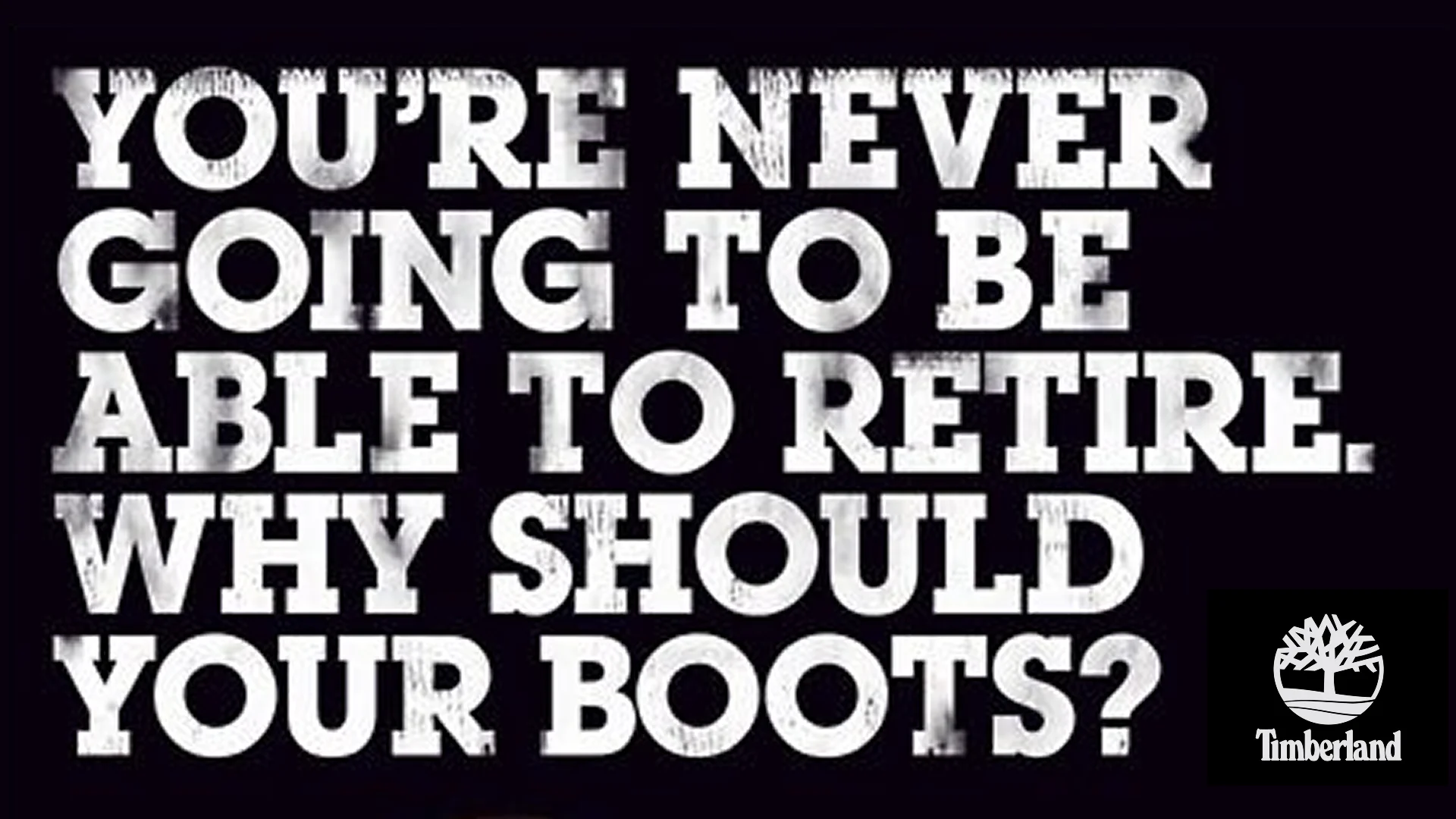
Wake-Up Call

Alert your prospect that something they're doing (or ignoring) is costing them.
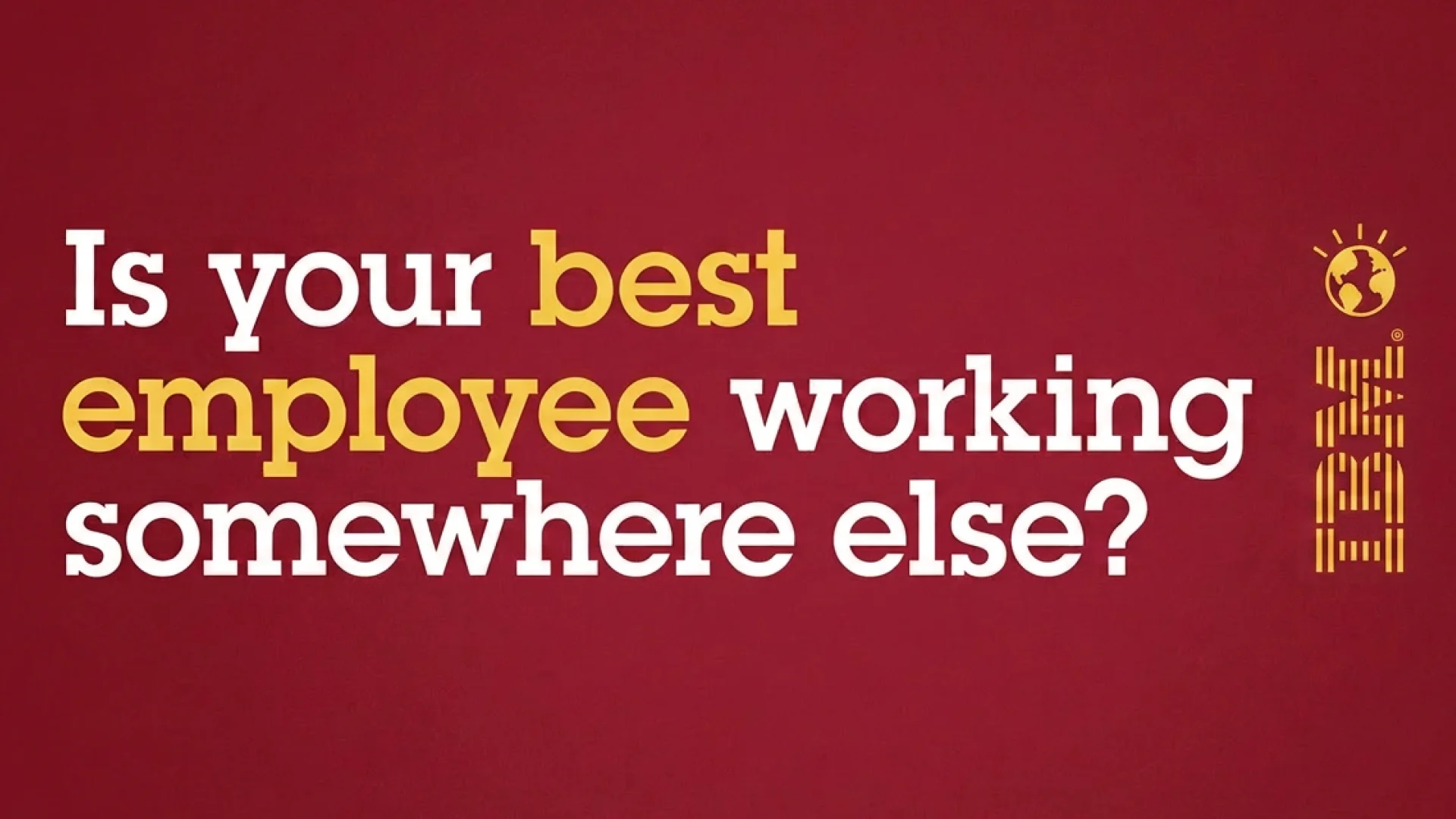
Wake-Up Call — example 1 of 7
1 / 7

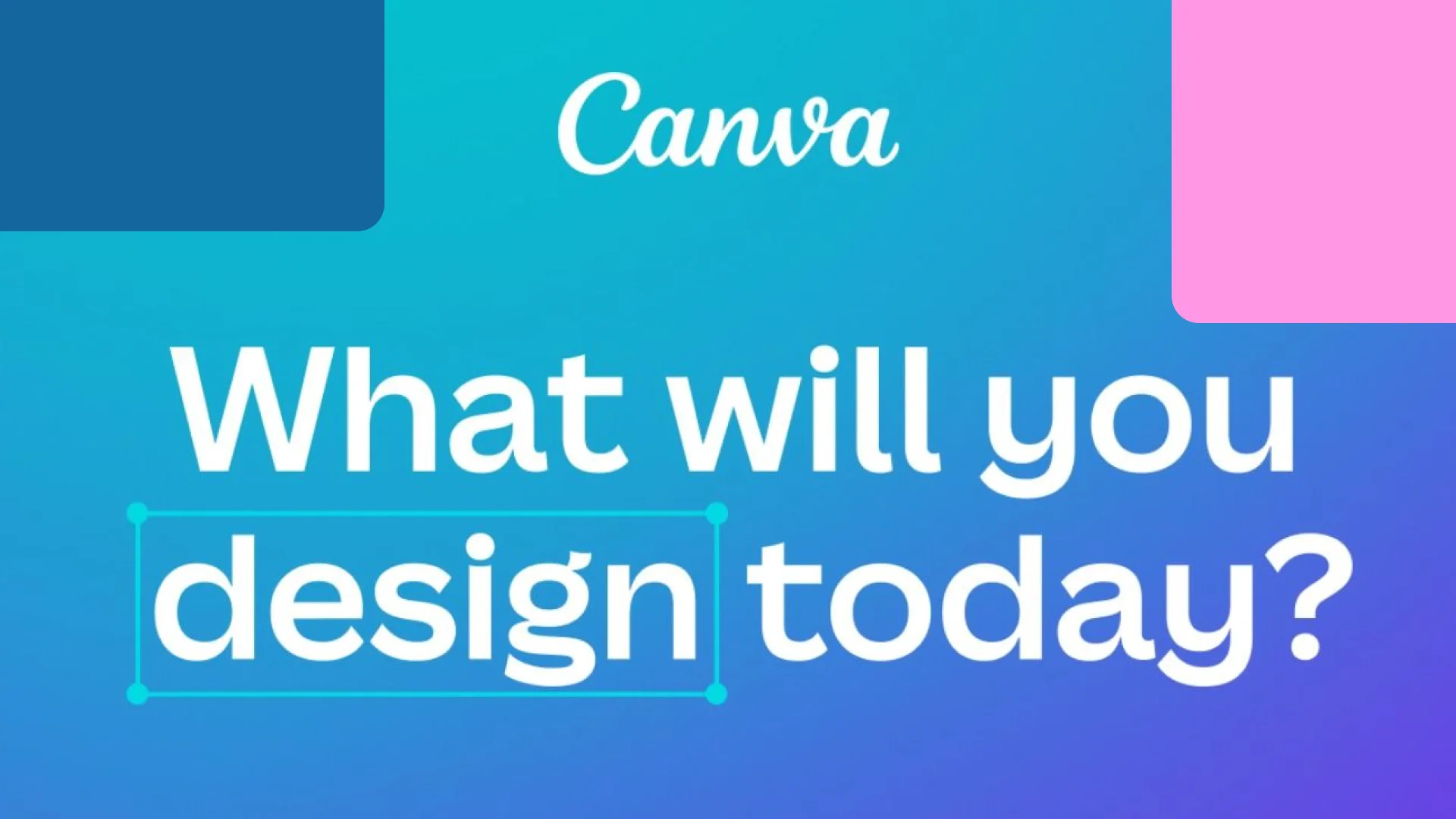
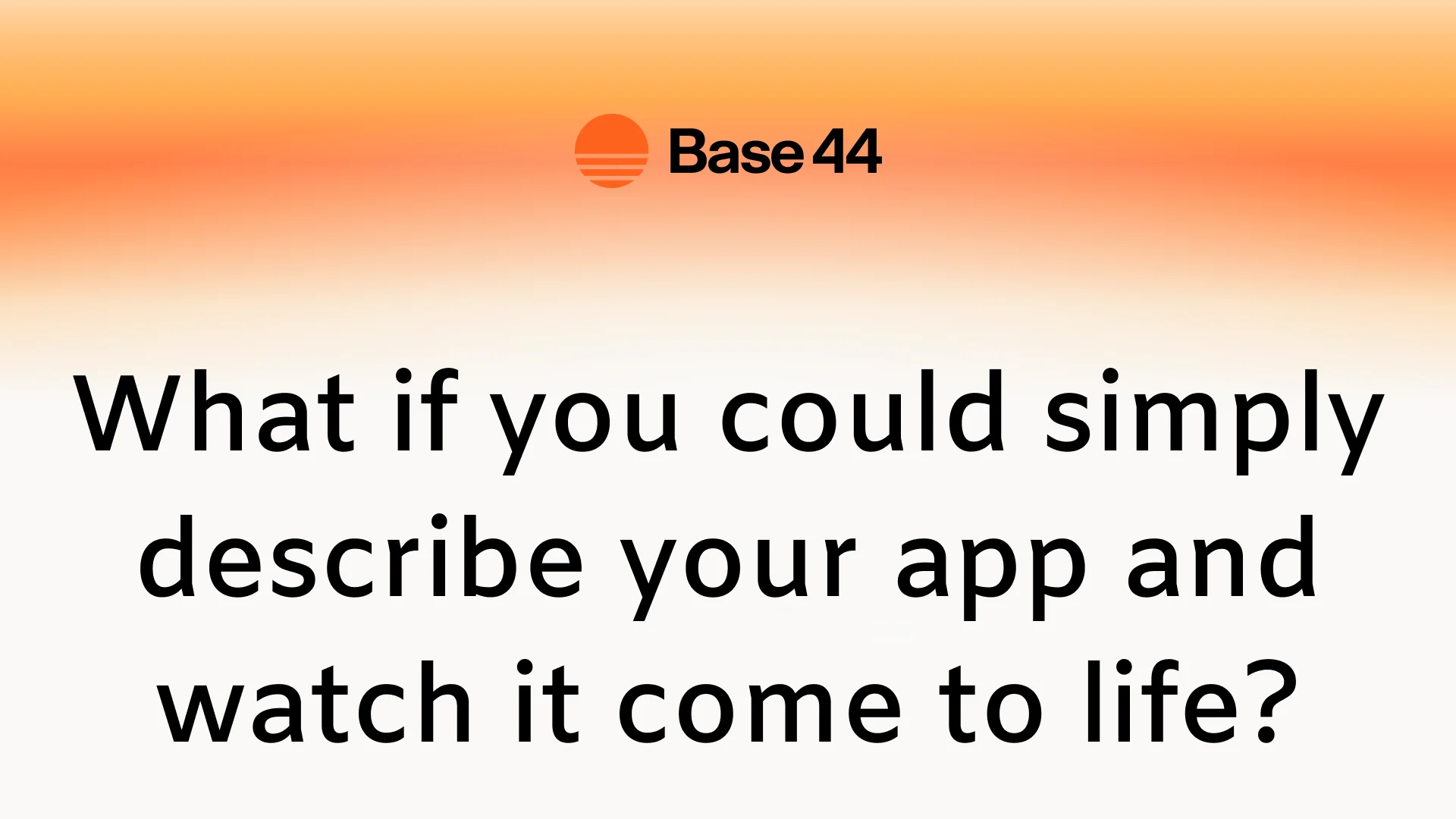
What If?

Asks the audience to imagine a better reality with your product.

What If? — example 1 of 7
1 / 7

Provocative

Slap 'n Hug

Start with something negative, then flip it into a positive.

Slap 'n Hug — example 1 of 8
1 / 8

Shock Headlines

Use something surprising or offensive to capture attention.

Shock Headlines — example 1 of 8
1 / 8

Challenge

Call the reader out to highlight your brand's strengths.

Challenge — example 1 of 6
1 / 6

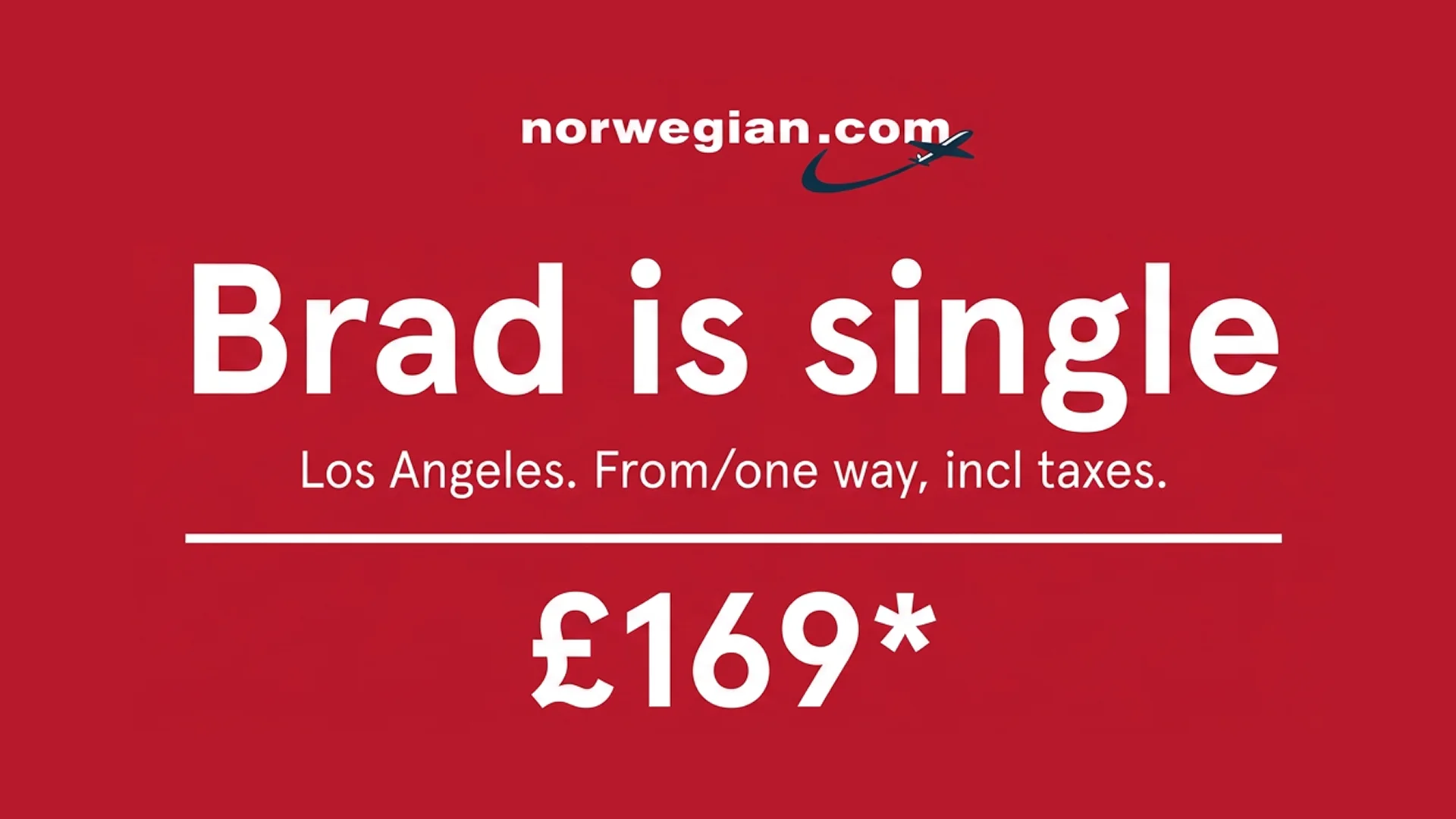
Double Meaning

Use a word or phrase with multiple meanings to make a point.

Double Meaning — example 1 of 12
1 / 12

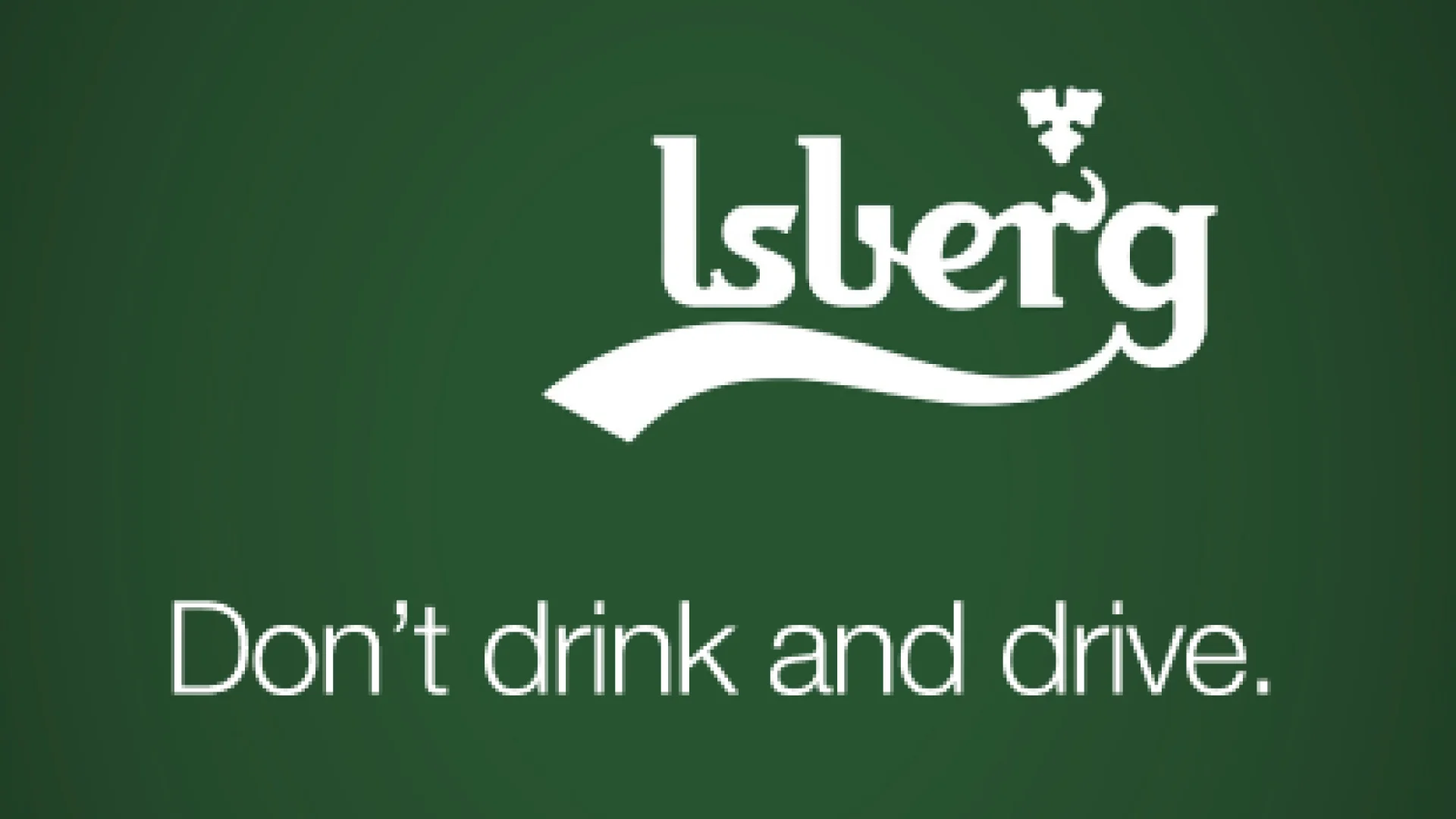
Imperative

Give instructions or commands.

Imperative — example 1 of 7
1 / 7

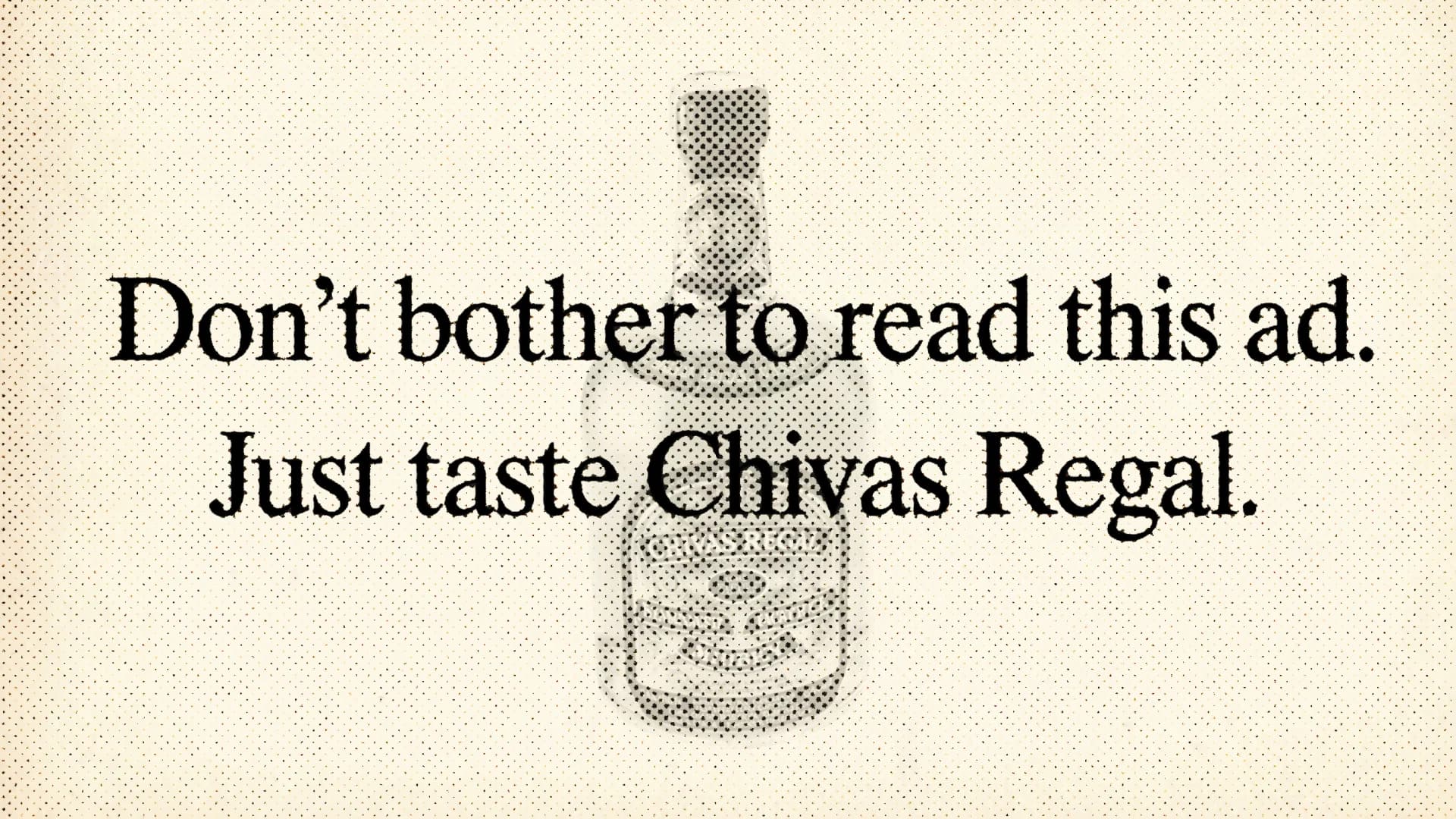
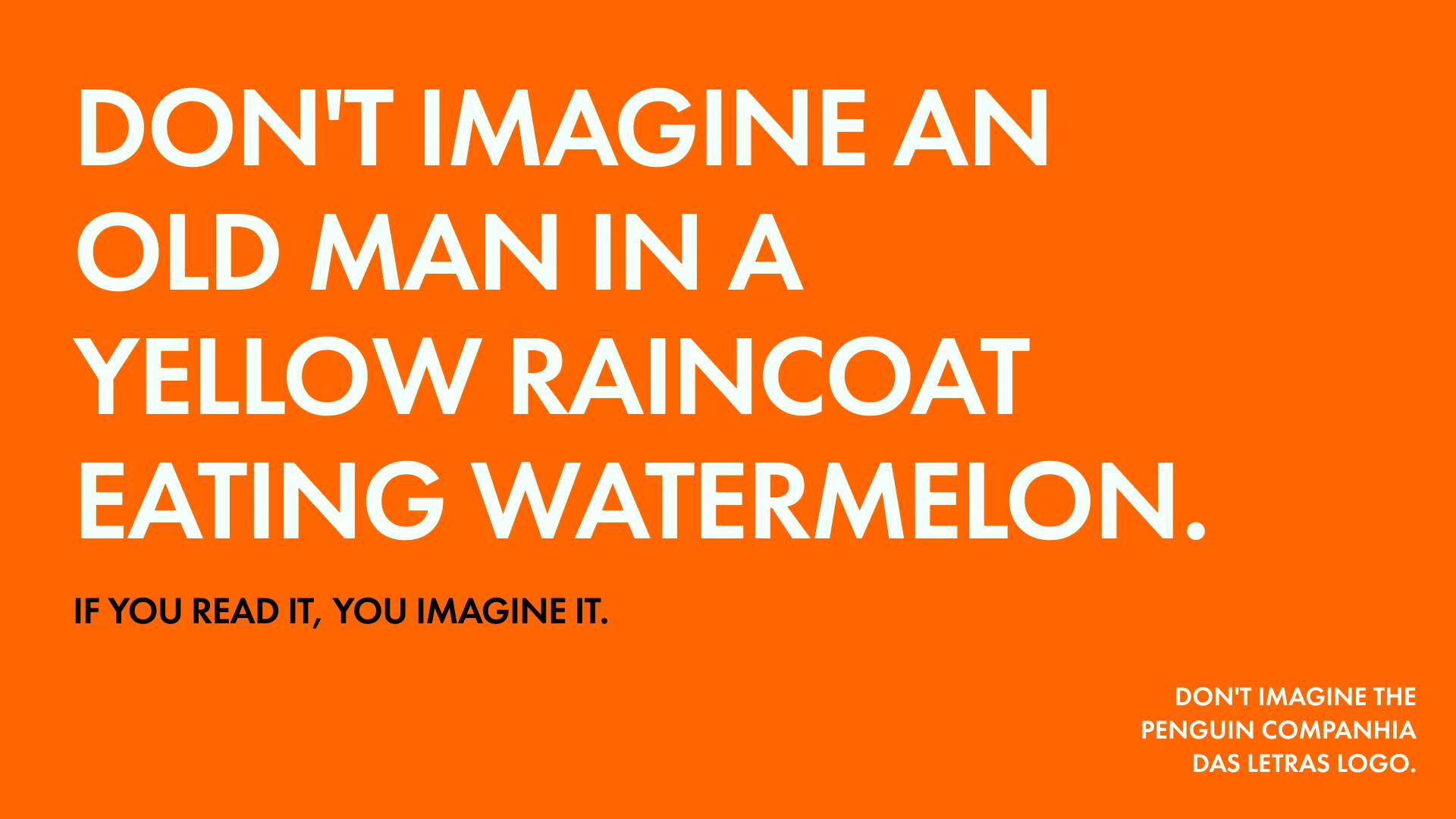
Reverse Psychology

Tell readers not to do what you want them to do or vice versa.

Reverse Psychology — example 1 of 5
1 / 5

Numbers

Number Juxtaposition

Use contrasting numbers to make your product's value instantly clear.

Number Juxtaposition — example 1 of 6
1 / 6

Social Math

Make data more relatable by comparing it to everyday experiences.

Social Math — example 1 of 9
1 / 9

Visual

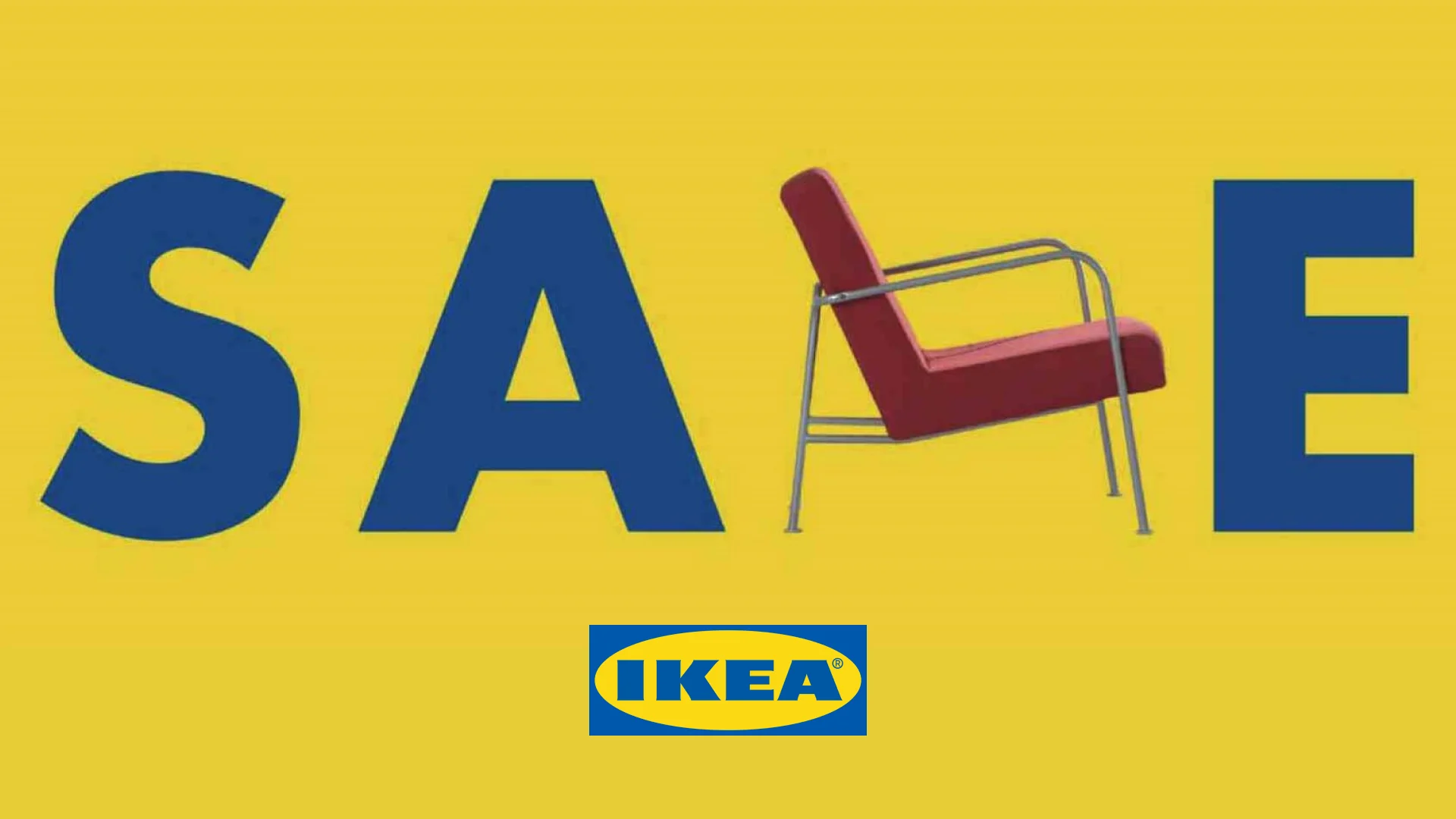
Typographic Simile

Replace one letter with an object that's related to the product.

Typographic Simile — example 1 of 4
1 / 4

Text Highlights

Write a lot of text, and highlight or remove a few words that make your message.

Text Highlights — example 1 of 8
1 / 8

Elision

Remove letters or words to make a point.

Elision — example 1 of 8
1 / 8

Activation

Make the reader experience your point for themselves.

Activation — example 1 of 6
1 / 6

Stunts

Legal Loopholes

Share legal limitations so customers root for your brand.

Legal Loopholes — example 1 of 3
1 / 3

Real-Time

Connect current news or events to your product.

Real-Time — example 1 of 5
1 / 5

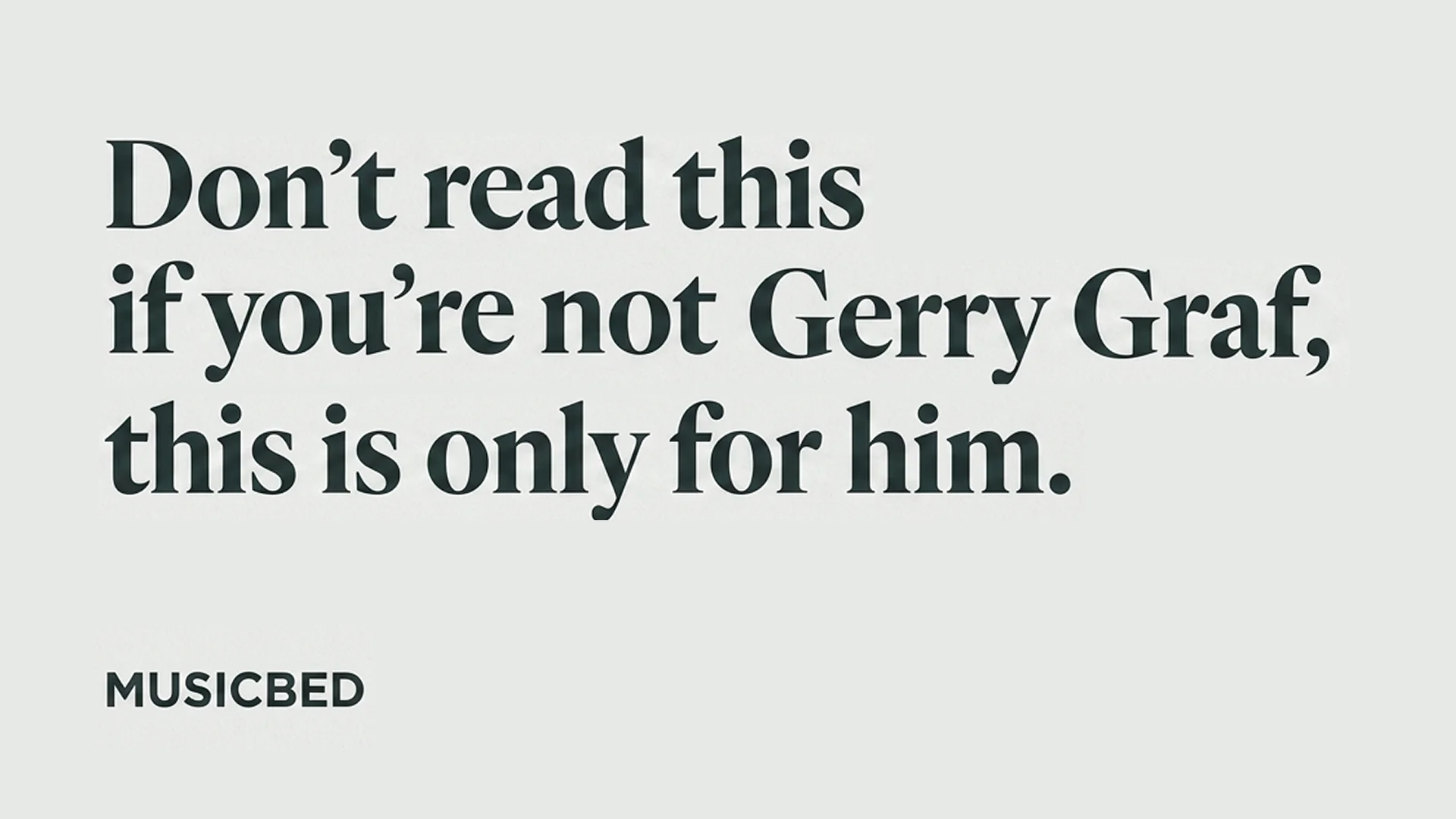
Just for Jim

Write an ad that applies to just one person or brand.

Just for Jim — example 1 of 3
1 / 3

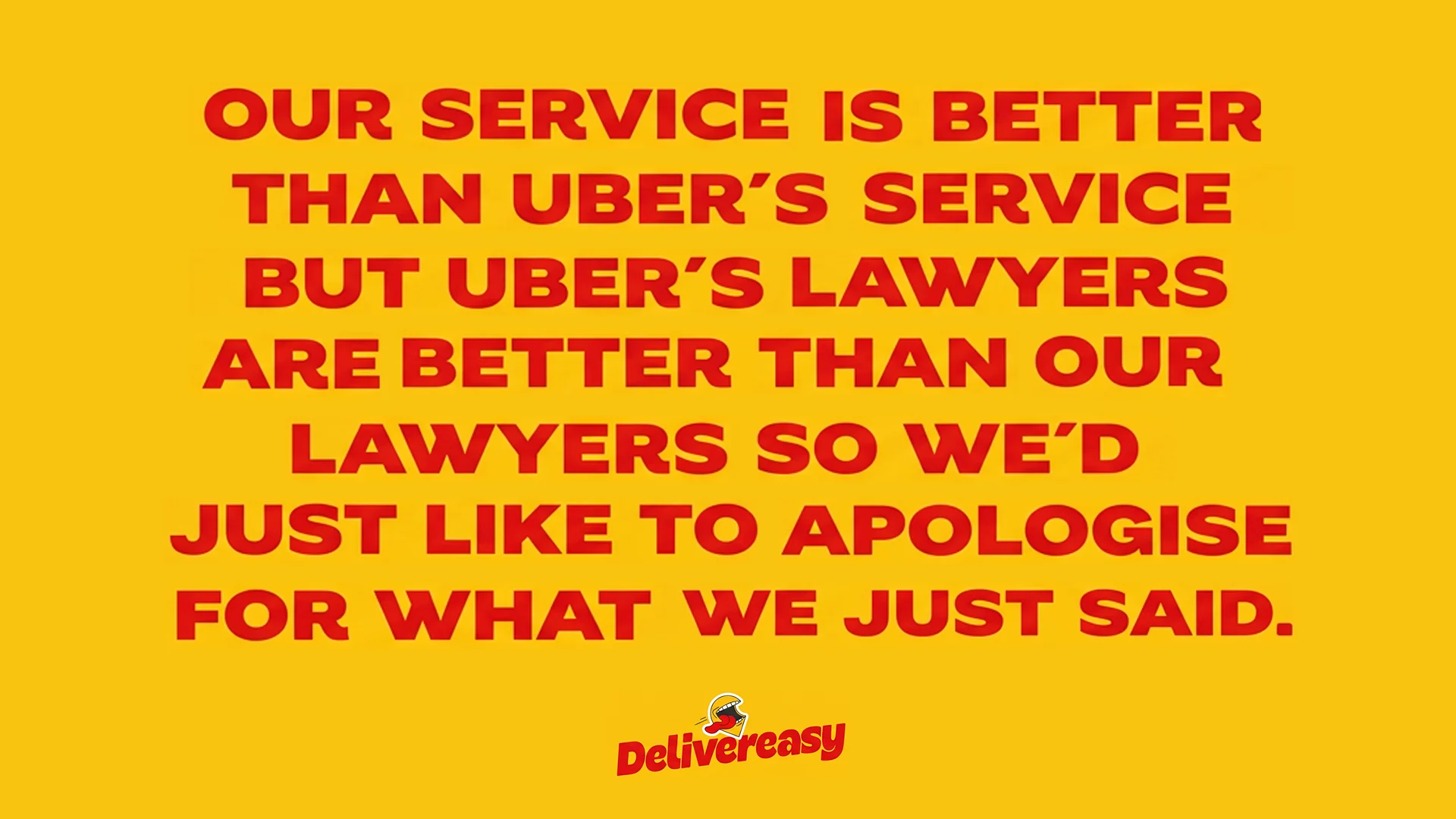
Bash Competitors

Point out your competitor's flaws to show your product is superior.

Bash Competitors — example 1 of 9
1 / 9

Boring but Works

Stop the Pain

Open with "Stop," "Skip," or "Goodbye" followed by a pain point, then pitch your solution.
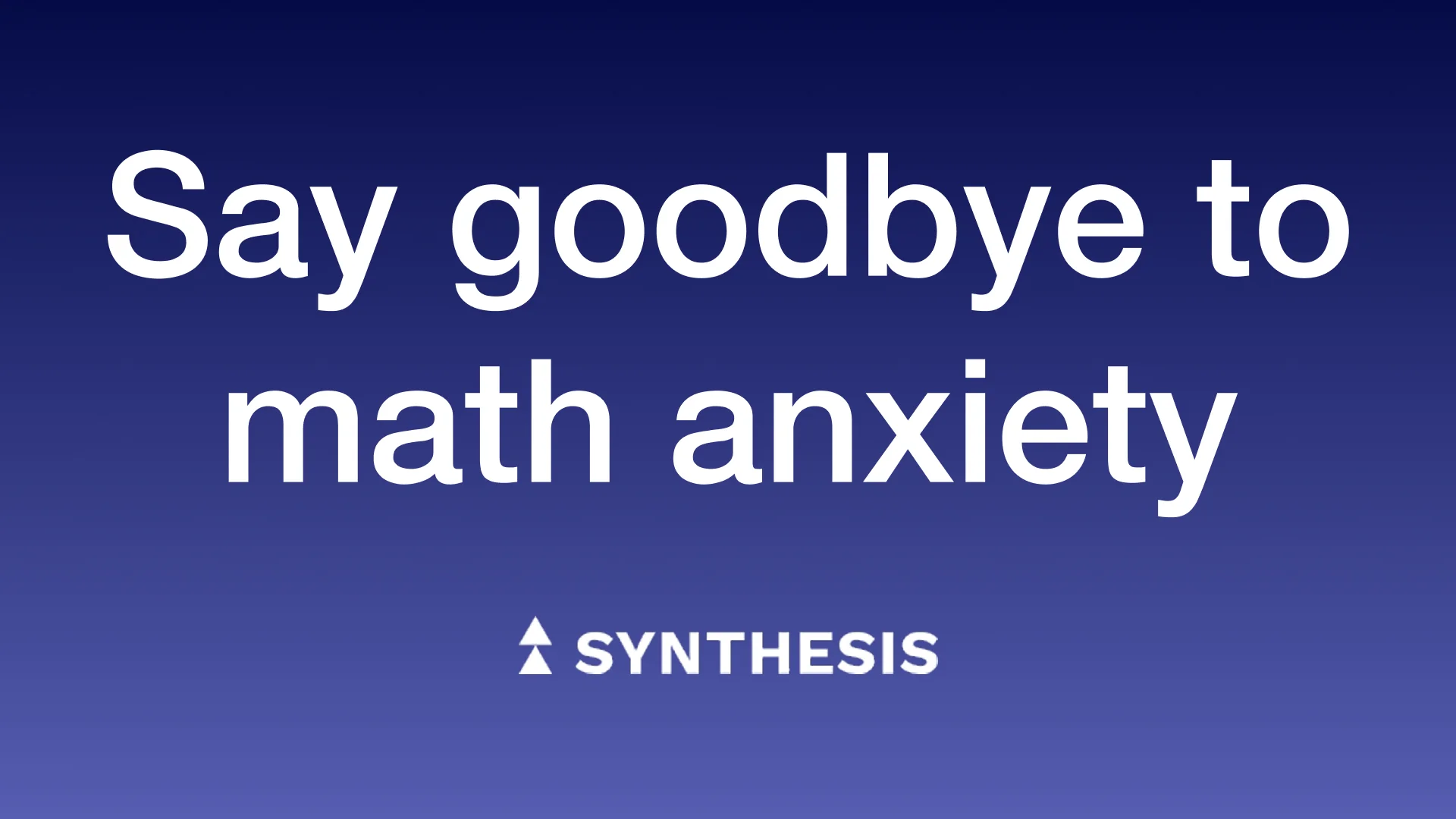
Stop the Pain — example 1 of 12
1 / 12

Something for Someone

Write your product type and then its very specific audience.

Something for Someone — example 1 of 7
1 / 7

Gain Without Pain

Promise a desirable outcome, then use "without" to remove the expected tradeoff.

Gain Without Pain — example 1 of 10
1 / 10

Tired of Pain?

Open with "Tired of" + a specific frustration, then offer your product as the way out.
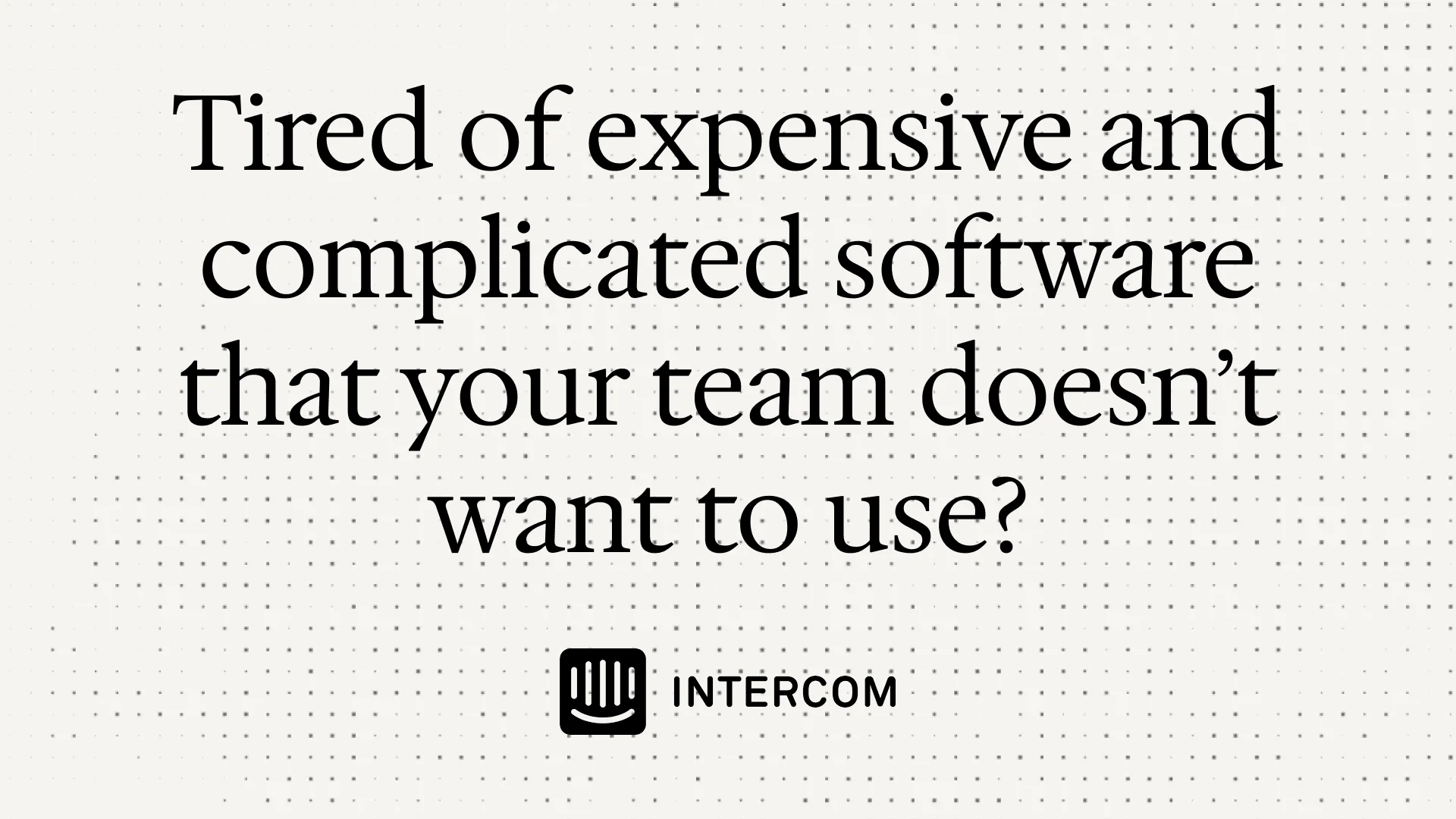
Tired of Pain? — example 1 of 5
1 / 5

Goal, Not Pain

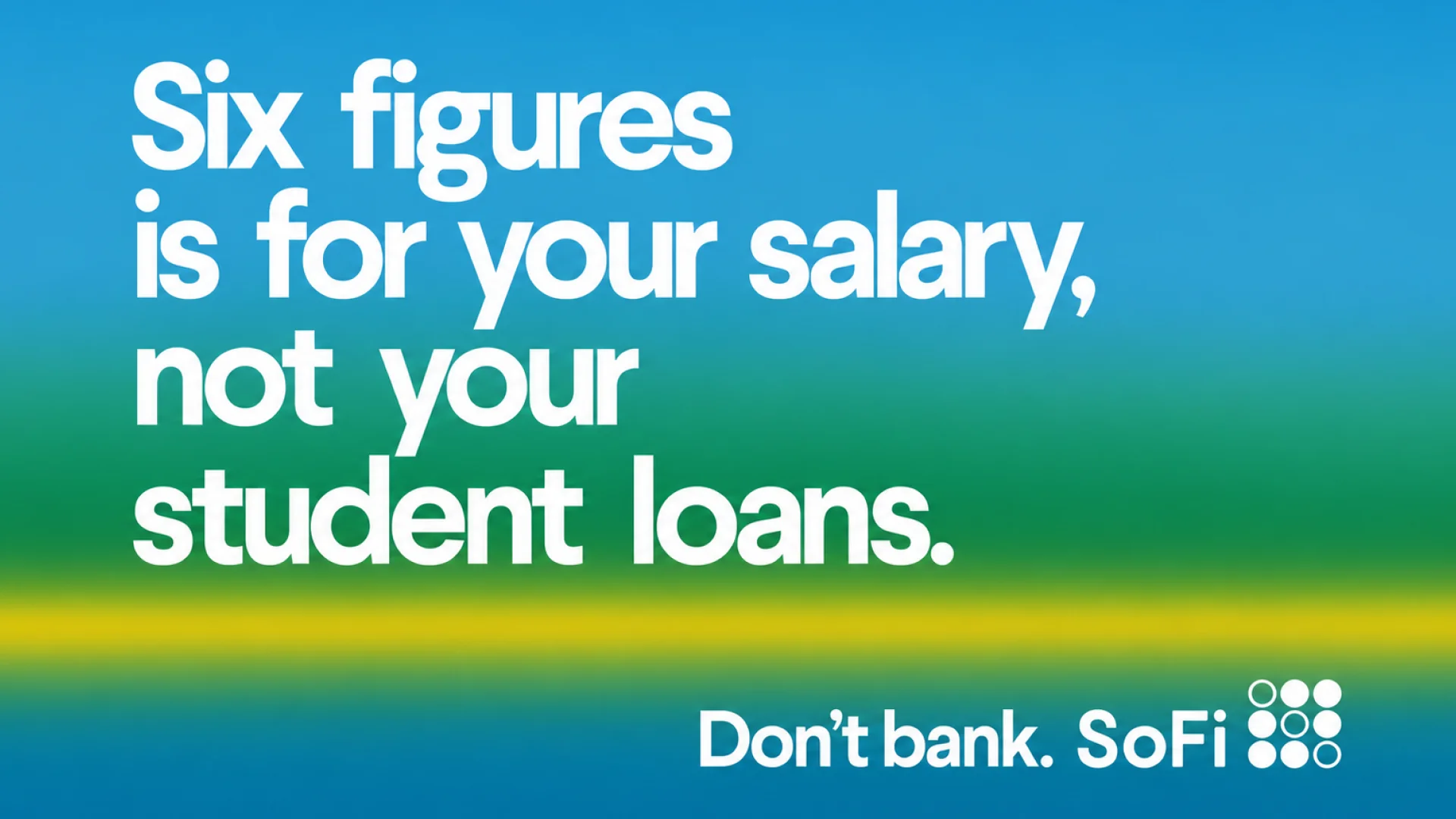
Lead with the outcome, then use "not" to cross out the old way.

Goal, Not Pain — example 1 of 10
1 / 10

This Into That

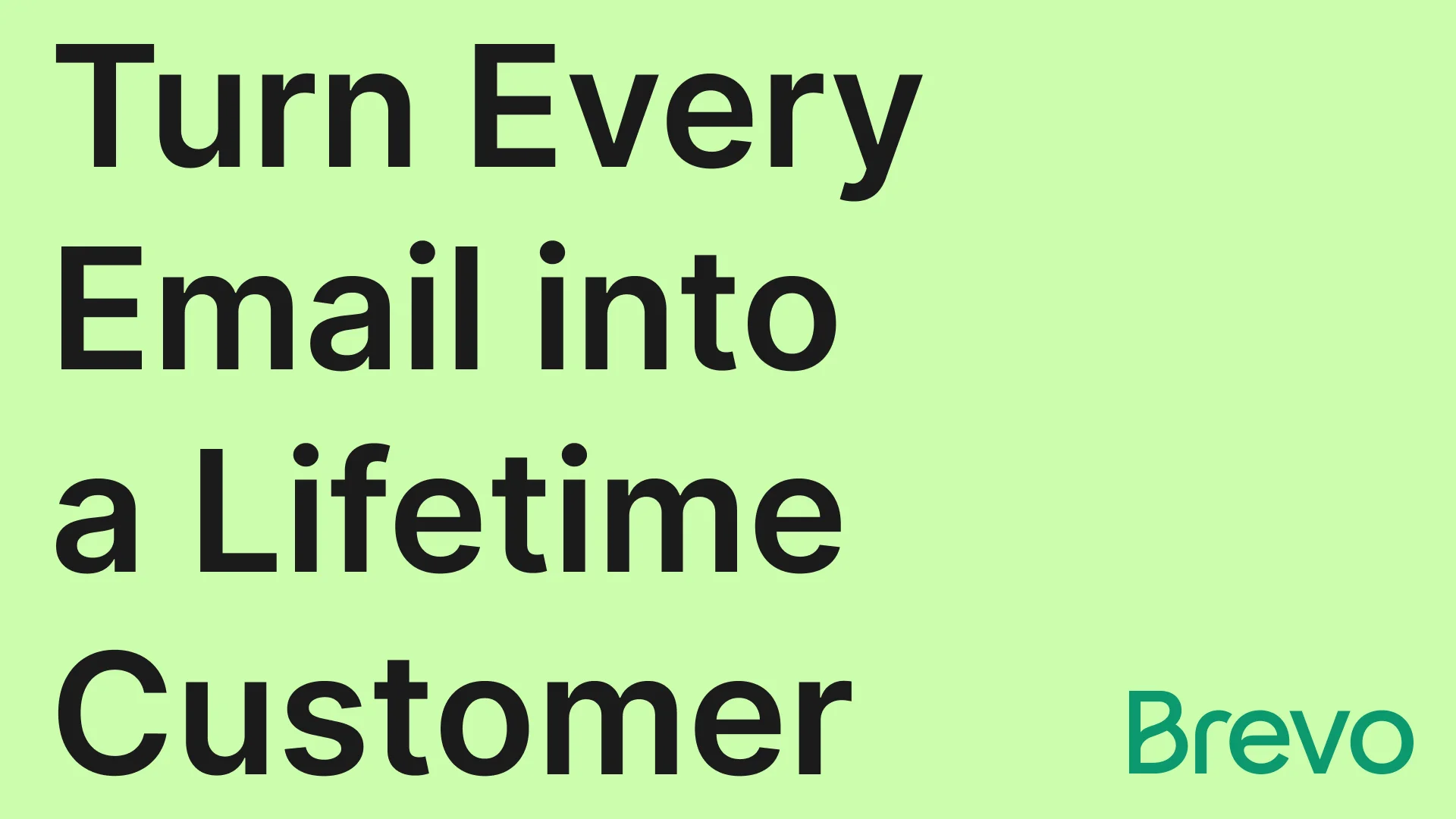
Promise readers to turn what they have into what they want.

This Into That — example 1 of 4
1 / 4

Anomaly

Claim to be the best, biggest, first, or only. Must be provable.

Anomaly — example 1 of 6
1 / 6

Time to Value

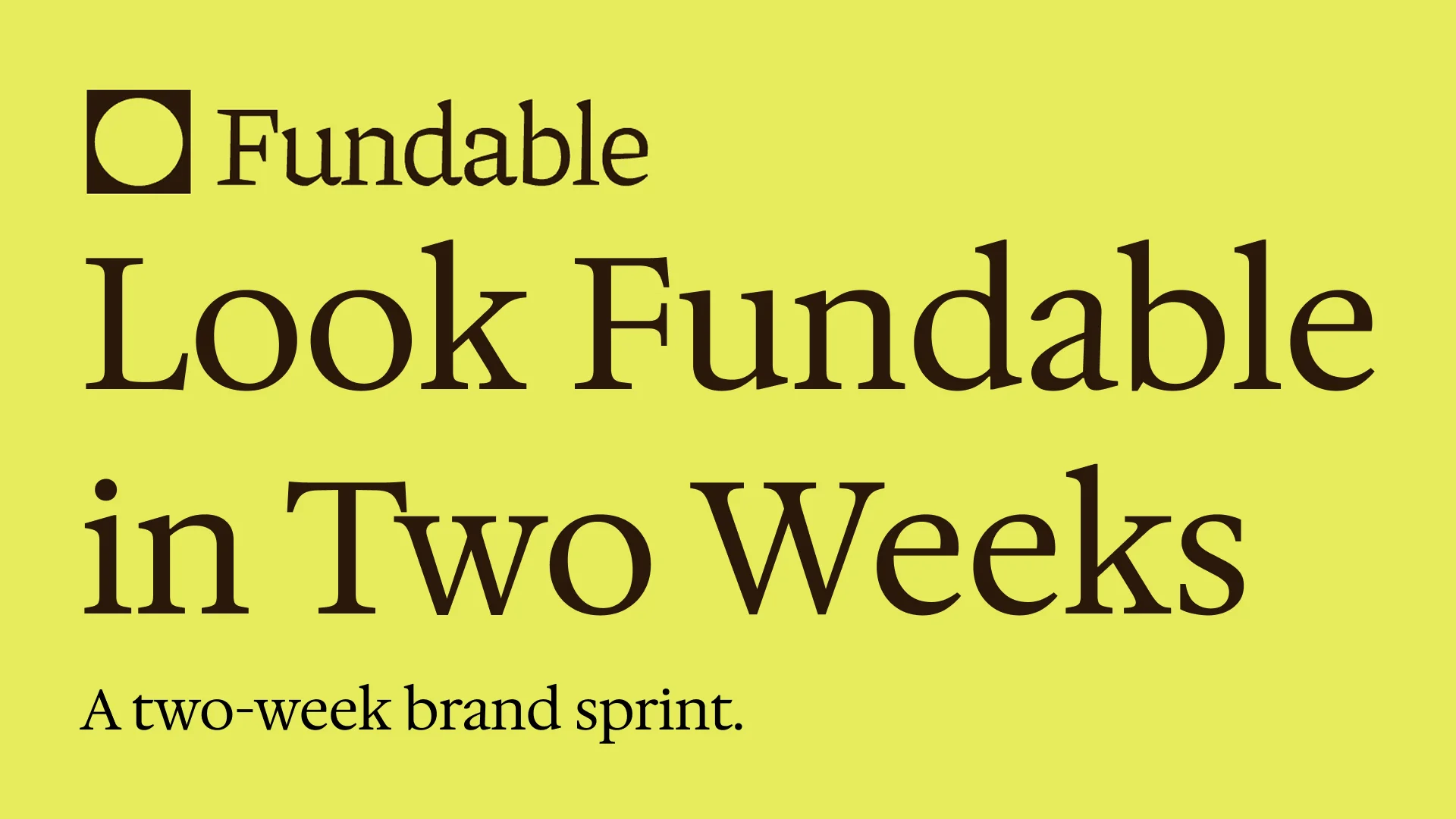
Promise a specific outcome with a specific timeframe.

Time to Value — example 1 of 9
1 / 9